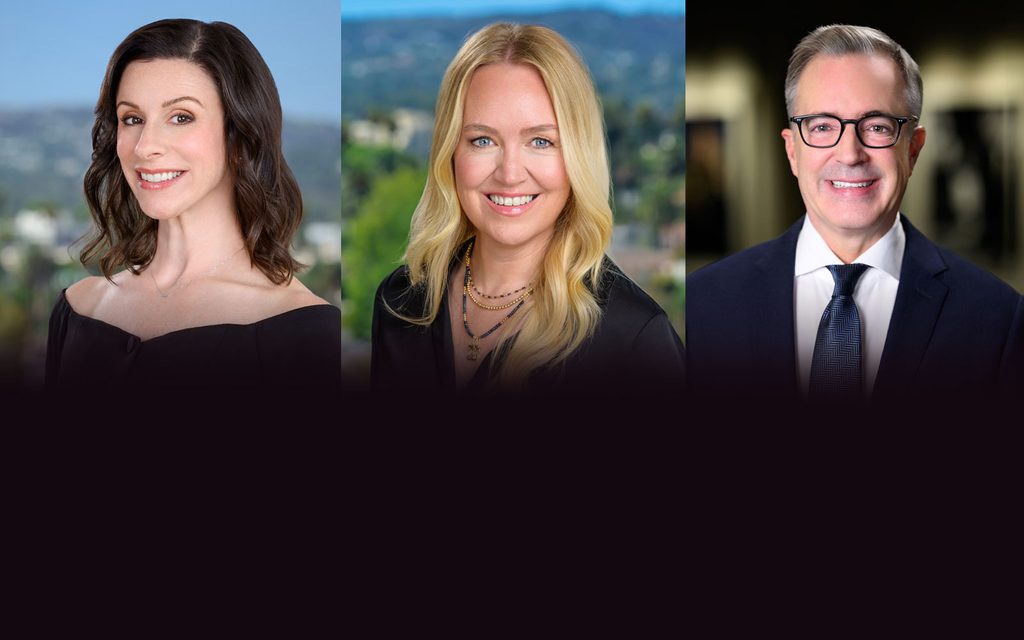
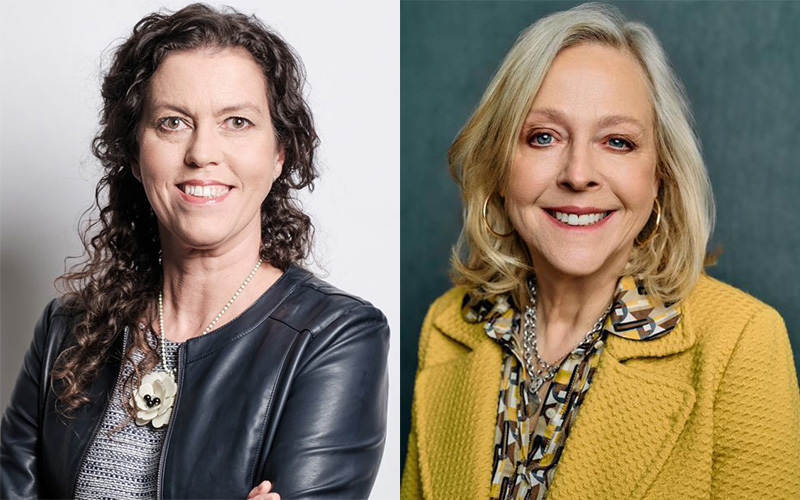
At the Annecy MIFA animation market, BBC Children’s and Education outlined a programming and acquisition strategy focused on balancing original development risk with established international properties. Addressing producers and creators, Kate Morton, Head of Preschool (0-6) across CBeebies, and Sarah Muller, Senior Head of Commissioning for 7+ and Family, detailed how the British public broadcaster is structuring financing models and acquisitions across its linear and digital ecosystems amid a constrained global commissioning climate.
A central pillar of the BBC’s content policy remains the deliberate willingness to commission unproven original intellectual property, running counter to the wider market’s heavy reliance on existing franchises. While the broadcaster licenses third-party evergreen properties like SpongeBob SquarePants to stabilize viewing figures, it uses that audience traffic to introduce unbranded original series.
‘You’ll hear a lot of colleagues say across the industry at this event and others that they want known IP’, Muller stated. ‘We tend to see how we can weave through content like SpongeBob that is still able to enchant audiences and draw them in, and then use that as a springboard to launch our very new titles. Because at the BBC, we are still willing to take risk with things that people have never seen, because otherwise we are making no classics in the future’.
Third-party acquisitions are selected to complement the in-house and commissioned slates rather than mirror them. The broadcaster specifically targets acquisitions that introduce more complex narrative structures or distinctive visual approaches that the BBC does not produce directly. Titles such as Watch Next Media’s serialized French adventure Dungeons and Kittens and the global brand Miraculous: Tales of Ladybug & Cat Noir serve this function.
‘What can we acquire from you guys that really supplement and enhance what we do ourselves, what we’re commissioning first’, Muller noted, underscoring that foreign acquisitions must provide narrative depth and stylistic variety that expand the channel’s standard portfolio.
In preschool programming, the editorial focus remains strictly linked to developmental milestones and functional education. Morton stressed that titles must combine entertainment with core pedagogical outcomes, citing the international footprint of shows like Numberblocks and Hey Duggee. The preschool division has also incorporated modern real-time rendering tools into natural history and live-action blends, such as using the Unreal Engine to create animated creatures for the Natural History Unit’s Andy’s Dino Island rather than repurposing legacy documentary footage.
‘It’s down to the strength of the storytelling. It’s down to characters that appeal directly to our audience’, Morton said. ‘Having shows, bringing content to us that has storytelling at its heart, is the most important thing for us. Also, definitely, what we’re very keen of as the BBC is to have content that works for the different ages and stages that our audience and our particular little ones are going through’.
Given the absence of extensive state production subsidies in the United Kingdom compared to continental Europe, the BBC relies heavily on cross-border co-production partnerships to finance ambitious slates. To cultivate domestic talent, the corporation operates Ignite, a development incubator where submissions from UK creators and studios are assessed through a blind evaluation process.
The first iteration of Ignite yielded three greenlights: the completed preschool project Duck and Frog, alongside older-targeted series Captain Onion’s Buoyant Academy for Wayward Youths and Underglow. For its second iteration, the BBC presented an initial animatic for Hannah’s Magic World, an original series by creator Leto Mead and South African-headquartered studio Triggerfish focused on deaf representation and sign language acquisition.
Morton noted that Hannah’s Magic World was engineered from inception to solve linguistic localization challenges, utilizing modular animation that accommodates different international sign systems, such as British Sign Language (BSL) and American Sign Language (ASL). With the development phase complete, the BBC is seeking overseas broadcast partners, distributors, and co-producers to bridge the funding gap for full production.
‘It is a UK scheme to particularly help build the industry back up in the UK because we don’t have the subsidies and supports that some of the other territories that are here have’, Muller explained regarding the commercial reality of the initiative. ‘The stage we’re at right now is when we’re starting to look at the practical means of how we might make the shows that have been selected for this year’s round. And that’s when, because everybody is practical, we understand we will probably need to be speaking to our friends, our international friends, potential co-producers, investors, funders, broadcasters, whoever wants to come on the shared journey’.