KiKA, the joint children’s channel of Germany’s public broadcasting giants ARD and ZDF, is not only surviving but thriving. Next January, the network will celebrate its 30th anniversary, a milestone it reaches while holding a unique, dual leadership position in both linear television and the digital streaming space.
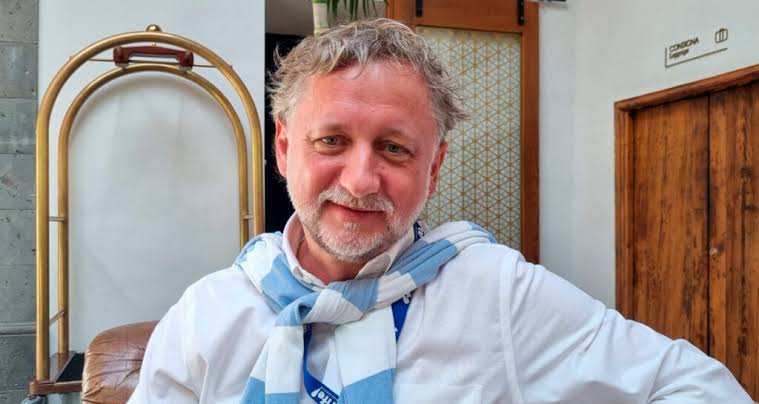
During a recent presentation at the Annecy International Animation Film Festival, Sebastian Debertin, KiKA’s Head of International Content Acquisitions and Co-Productions, laid out the strategic framework driving the network’s continued dominance. His message was clear: broadcaster’s success is rooted in its unique funding structure, its aggressive digital expansion, and a programming philosophy that treats the network less like a broadcaster and more like an ‘older sibling’.
The Power of the ARD/ZDF ecosystem
To understand KiKA’s buying power, one must understand its parents. The network operates out of Erfurt, Thuringia, backed by the financial and structural might of ARD and ZDF.
Debertin emphasized that this federated structure is a massive, often overlooked advantage for international producers seeking co-production funding. Because ARD is comprised of regional affiliates across Germany—such as the deeply funded NDR in the north and WDR in North Rhine-Westphalia—producers have multiple avenues to secure financing.
‘They are important because when we want something and we can’t do it on our own, or we don’t have enough money any longer… what do you do as a child? You go to your parents’, Debertin explained playfully. ‘Too few people in the world know about this system, and too few people go and try to approach these people because they have money… That means in the end we have nine chances with the ARD, plus ZDF, plus KiKA. So 11 partners for bringing your program to our lovely channel’.
Dual dominance: linear strength and digital innovation
While linear television ratings are collapsing globally, Germany remains an outlier where traditional broadcasting still delivers strong numbers for KiKA. However, the network’s true modern victory lies in its digital adaptation. Debertin noted that he recently had to correct a presentation slide because it only claimed linear dominance.
‘We are also market leader in the digital world now. So that means something, because if you consider it, we are ahead of the lovely Americans with all these streaming services’, Debertin said. ‘We are number one with the kids when it comes to apps and streaming’.
This digital dominance is built on a highly segmented, interactive ecosystem designed to engage specific age groups:
Targeted Apps: KiKA offers distinct applications for different demographics. The KiKANiNCHEN app serves preschoolers in a safe, ad-free environment, while the primary KiKA app targets older children (ages 5 to 13).
Interactive Engagement: The network leans heavily into gamification, notably through its popular Quiz App, which integrates directly with its television shows, allowing kids to participate and win prizes.
Parental Trust: KiKA maintains a dedicated portal for parents, developed with pedagogues, offering guidance on age-appropriate media consumption. This strategy has resulted in immense brand trust, with Debertin noting that ‘80% of mothers say, you can put your child in front of KiKA, but nothing will harm it’.
More than a channel: the ‘older sibling’ philosophy
KiKA’s strategy extends far beyond passive consumption. The network actively fosters a community, offering moderated chat rooms and even a crisis support system for older kids dealing with serious personal issues, connecting them with professional help.
‘There was a research, and it was interesting because the older kids especially have said, for us, KiKA is the older sibling… because we trust in KiKA’, Debertin shared.
This philosophy of active participation recently culminated in a unique sports collaboration with ARD during the DFB-Pokal (the German Cup final). KiKA ran a competition allowing children to co-host the live football broadcast. The result was highly successful, with Debertin joking that the young girl who won “was much better than the very famous host who’s normally giving the comments.”
Co-Productions and Content Strategy
When it comes to content acquisition, KiKA strongly prefers co-productions over pre-buys, allowing the network to shape the creative direction of its shows. Debertin highlighted several key projects that reflect the network’s programming ethos:
Book Hungry Bears: A co-production aimed at encouraging literacy, particularly successfully among young boys.
Odo: A preschool series co-produced with studios in Northern Ireland and Poland, which has now sold to over 169 countries.
Goat Girl: A chaotic comedy co-produced with Warner Media about a human girl raised by goats adjusting to boarding school, reflecting KiKA’s strong preference for shows featuring “strong, powerful” female leads.