The debate on the long-term viability of microdramas and vertical series continues to dominate the decisions and strategies of major industry players, with expectations ranging from cautious optimism to declarations that the format will replace traditional television. Timothy Oh, Global Chief Marketing Officer of FlareFlow and General Manager at COL Group International, argues that current discourse surrounding the format is driven by excessive enthusiasm. ‘There is an overhype’, he stated. ‘Some people think it’s actually the savior of film and TV. It is not’.
Rather than viewing microdramas as a replacement for established media, Oh defines them as a distinct entertainment category shaped by mobile consumption patterns and the convergence of storytelling and commerce. ‘I think it is a distinct genre’, he noted at a recent conference.
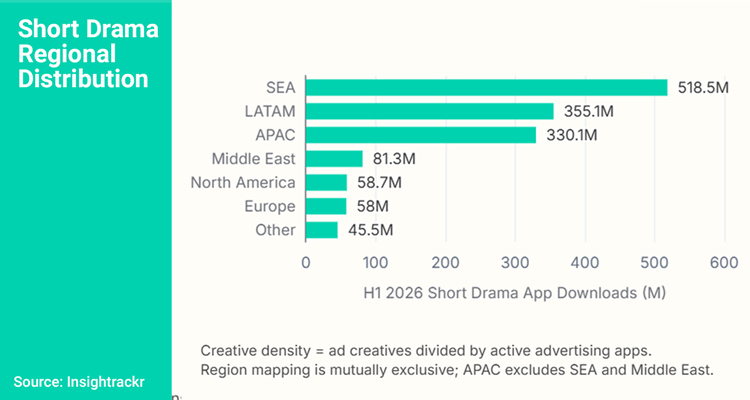
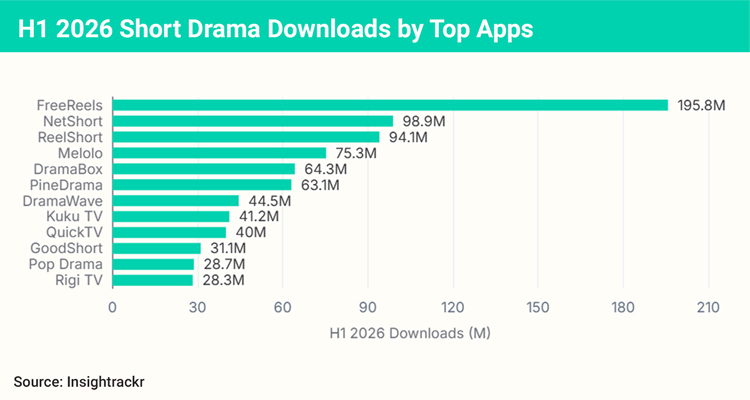
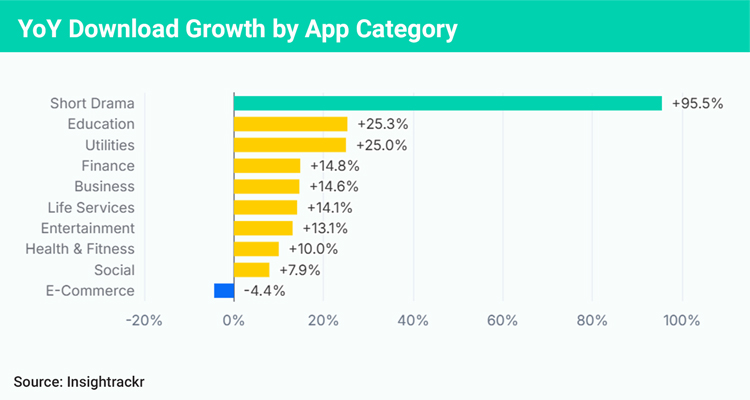
The format’s growth is supported by market data. According to the H2 2026 Global Non-Gaming App Trends Report by Mintegral and Insightrackr, global downloads of Short Drama applications reached 1.45 billion in the first half of 2026, representing a 95.5 percent year-over-year increase. Emerging markets drove this expansion, accounting for 83 percent of global downloads, led by Southeast Asia and Latin America.
For brands and marketers, the appeal of microdramas lies in their ability to bridge the gap between traditional entertainment and social media. Oh explained that conventional branded entertainment often moves too slowly for fast-paced industries like fashion and beauty. ‘It takes such a long time for a brand to work on a long-form series or a movie’, he said. Conversely, standard social media content lacks durability. ‘Social media content lasts for three days, maybe one week’, he observed. For him, microdramas offer narrative depth while matching the speed of modern marketing cycles.
The structural requirements of vertical storytelling necessitate a departure from traditional production methods. The executive cautioned against simply repurposing horizontal content for mobile screens. ‘Don’t try to put something that’s already done into vertical’, he advised. ‘Think of it from a mobile-first perspective’. This approach requires a fundamental shift in narrative pacing. ‘Traditionally, when you write a script, you start with the backstory and the journey and everything else’, he explained. ‘With microdramas, you start with the emotion’.
This focus on immediate emotional connection is dictated by the mobile viewing environment, where audiences make rapid decisions about engagement. ‘You need to get invested with emotion very quickly’, the COL Group General Manager stated. He emphasized that vertical narratives must prioritize relevance, noting, ‘when you write a story in a micro format, you always have to be relevant to the viewer’. This involves integrating audience demand directly into the creative process: ‘You don’t build demand around the show; the show is built around demand’, he concluded.
Analysts also anticipate deeper integration of microdramas with commercial platforms. ‘In five years’ time, it’s going to be super integrated into commerce’, an investor told Prensario, envisioning a landscape where content, discovery, and purchasing merge seamlessly. He also highlighted the potential of artificial intelligence to introduce interactive elements into these narratives: ‘People will be able to interact with the shows like a game. They will be able to choose outcomes’, he suggested.
Despite these technological advancements and shifting consumption habits, industry executives like Oh maintain that the core of the business remains intellectual property. ‘It all goes back to building IP’. The primary challenge for creators is not simply increasing production volume, but developing narratives that genuinely resonate with audiences across formats.