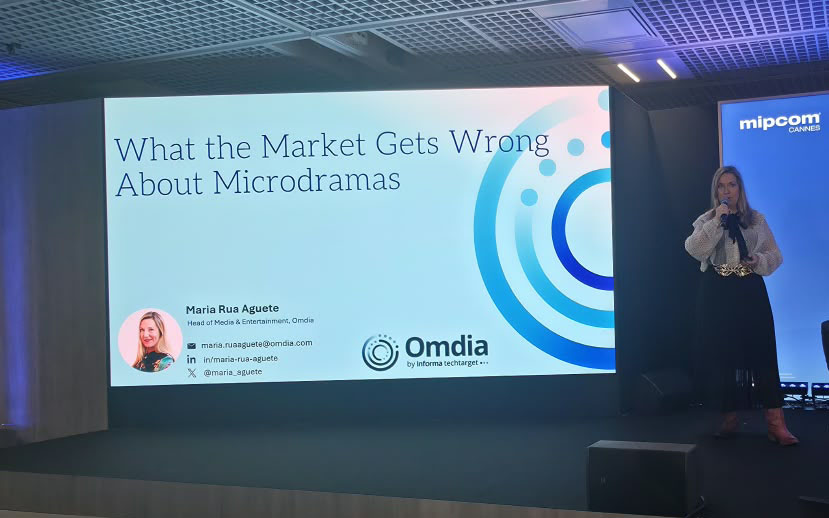
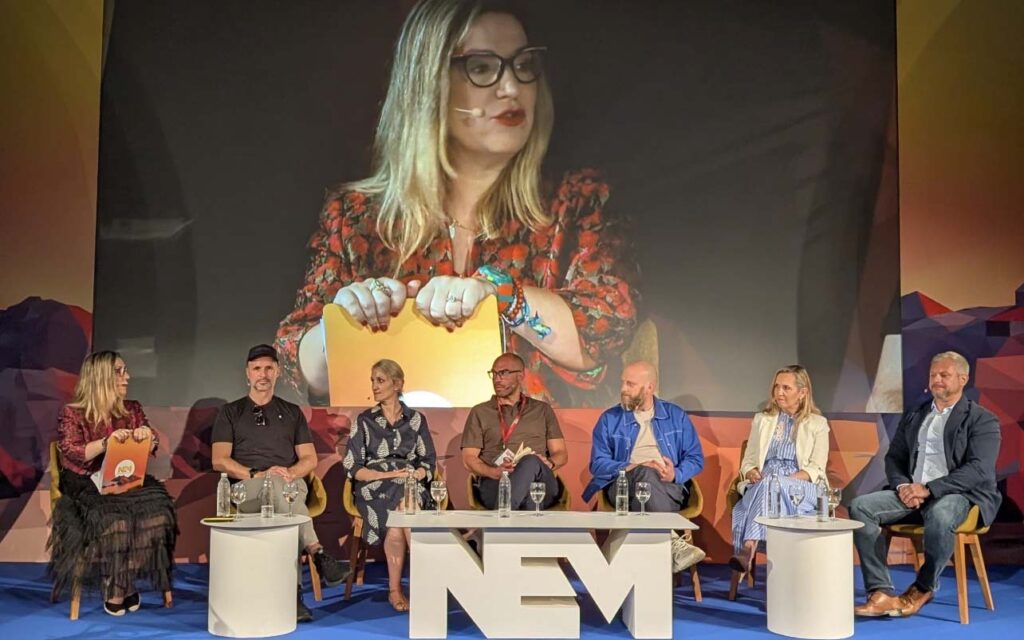
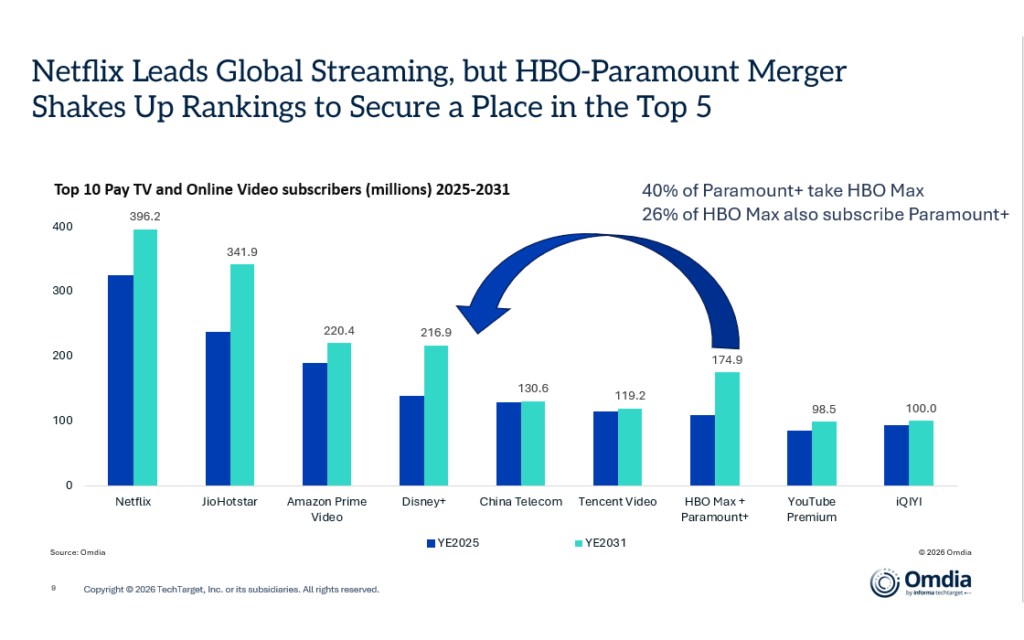
Netflix is set to solidify its position as the world’s leading subscription streaming service over the next five years, successfully navigating a landscape increasingly defined by media consolidation. According to new forecasts presented at NEM Dubrovnik by Maria Rua Aguete, Global Head of Media and Entertainment at Omdia, the platform is projected to reach nearly 400 million subscribers by 2031, effectively extending its lead over all major competitors.
While Netflix continues to dominate the global subscription video market, a new tier of challengers is emerging through corporate mergers. Omdia estimates that a theoretical combined platform merging HBO Max and Paramount+ could amass approximately 175 million subscribers globally by 2031. This would instantly secure the unified service a position among the top five global streamers. The potential synergy is backed by current consumer behavior: Omdia’s research highlights that 40% of Paramount+ users would also subscribe to HBO Max, while 26% of HBO Max subscribers already pay for Paramount+.
‘The streaming industry is entering a new era where scale, profitability, and audience reach matter more than ever’, Rua Aguete explained during her presentation. She emphasized that while consolidation will inevitably forge stronger competitors, ‘Netflix remains uniquely positioned to capitalize on global growth opportunities’.
Despite Netflix’s undisputed stronghold in the subscription video-on-demand (SVOD) sector, the broader video ecosystem reveals a much more complex battle for viewership. Omdia forecasts that Netflix’s global monthly audience will cross the 1 billion viewer mark by 2027—a historic milestone for any media company.
However, YouTube’s audience scale continues to dwarf traditional and SVOD platforms. Projections indicate the video-sharing giant will reach approximately 2.7 billion monthly active users by 2026, scaling up to around 3 billion by 2027. This contrast underscores the evolving nature of the television business and consumer attention.
«The industry’s biggest battle is no longer simply streamer versus streamer,» Rua Aguete added. «Netflix is winning the subscription streaming war, but YouTube is becoming one of the most powerful forces in television, adding more premium content to the platform.»
Looking ahead, Omdia anticipates the next phase of the audiovisual market will be driven by strategic bundling, advertising growth, and further consolidation. As the definition of television continues to expand across both paid and ad-supported models, Netflix remains the definitive benchmark for the global streaming industry.