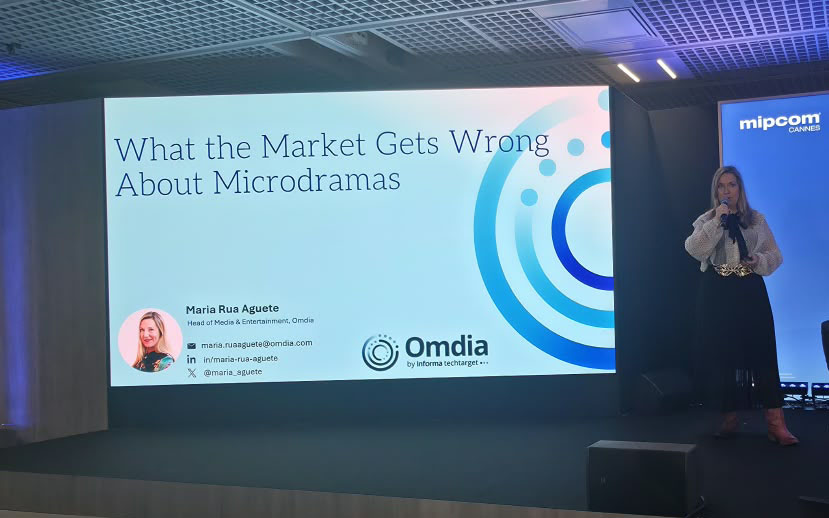
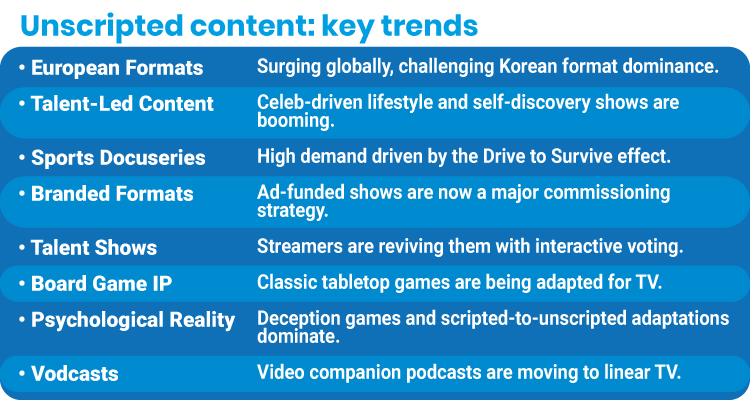
The unscripted television landscape is undergoing a radical transformation, forced to evolve by the collision of creator-led digital formats and the booming $11 billion vertical microseries market. Facing audience fatigue and a traditional broadcast model that has grown increasingly risk-averse, entertainment executives are aggressively rethinking how reality programming is developed, edited, and distributed to capture a new generation of viewers.
This renewal of the unscripted genre is being heavily driven by the undeniable influence of digital content creators. As highlighted in a recent report covering comedian and creator Munya Chawawa’s Alternative MacTaggart lecture, traditional television is losing ground because legacy media has lost its willingness to take creative risks. Chawawa pointed to a staggering metric that defines this new reality: while Netflix’s premium drama Squid Game achieved a colossal 265 million views, YouTube creator MrBeast garnered 850 million views simply by recreating the show’s concept as an unscripted competition on his channel. To survive, Chawawa argues that the television industry must partner with digital creators, using traditional budgets to scale up the raw, agile formats that have already proven successful online.
This creator-driven pacing is now directly informing a massive pivot within the vertical microseries market. In addition, according to an industry analysis published by TheWrap, the micro-drama industry—which built its multibillion-dollar foundation almost entirely on soapy scripted tropes like secret billionaires and werewolves—is now pivoting toward unscripted reality television. Developers are injecting the unpredictable nature of reality TV into the mobile format, abandoning traditional 45-minute broadcast structures in favor of high-stakes, two-minute installments.
Adapting unscripted content for smartphone screens requires a fundamental editorial reinvention. Unlike scripted microseries, where major cliffhangers are meticulously pre-planned in a screenplay, unscripted vertical content relies entirely on the editing room to distill reality into rapid-fire engagement. Jenna Rosa, SVP of Unscripted Development at Bravo and Peacock, explained that her team focuses on capturing ‘emerging stories’ that naturally produce authentic surprises and major life decisions, ensuring those required hooks are organically built into the narrative.
Because monetization models for mobile series typically offer the first 10 episodes for free before prompting users to pay via subscriptions or digital credits, producers have no time for slow-burn character development. Unscripted editors must aggressively scrub out all narrative ‘fat’, bypassing deep backstories to instantly hook viewers and convince them to pay for the next minute of content.
Traditional entertainment conglomerates are already testing the waters with this new unscripted playbook, blurring the line between studio television and creator-led content. Fox Entertainment became one of the first major players to leverage its existing unscripted IP for vertical platforms, partnering with the Holywater-owned app MyDrama to slice the third season of its reality dating show, Farmer Wants a Wife, into 101 bite-sized vertical episodes.
Simultaneously, NBCUniversal’s Peacock is rolling out original unscripted microseries designed to capitalize on its established Bravo reality universe while mimicking creator-style intimacy. The streamer launched Salon Confessionals, hosted by Southern Charm star Madison LeCroy, and Campus Confidential, featuring Georgia Gay from The Real Housewives of Salt Lake City. Independent producers are also developing native unscripted formats, such as a Big Brother-style house competition titled Camp Bop. By embracing the agility of content creators and the addictive pacing of mobile edits, the unscripted genre is proving it can reinvent itself for the vertical economy.