The landscape of sports broadcasting has changed significantly, with traditional television giving way to a fragmented streaming ecosystem. This shift, driven by major deals such as Apple TV+‘s agreement with the MLS and Amazon Prime Video‘s Champions League broadcasts, has created both new opportunities and significant challenges for the industry.
The rising cost of fandom
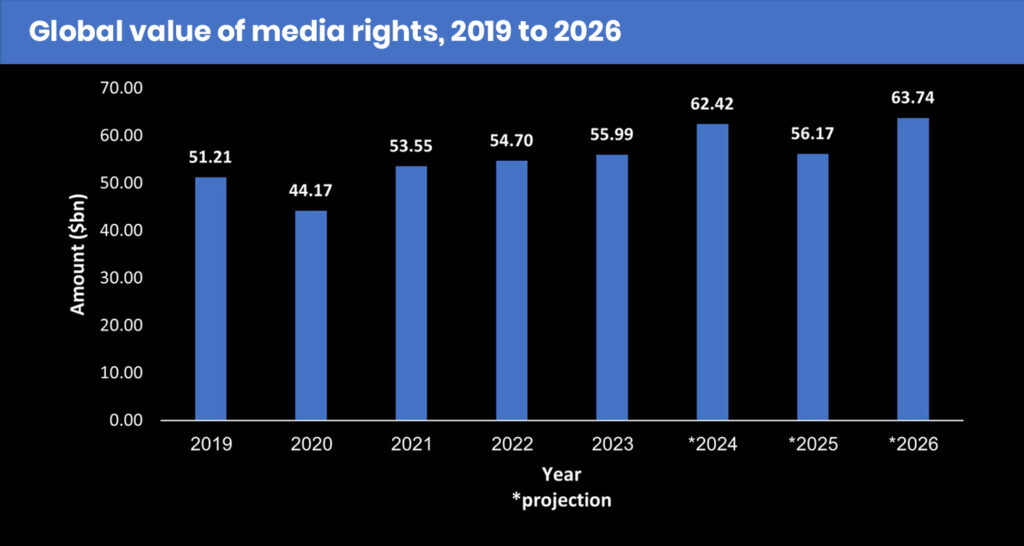
The proliferation of streaming platforms has led to a complex and fragmented environment for sports fans. The era of accessing all relevant content through a single cable subscription is over. Today, following a favorite team often requires subscribing to multiple platforms, which can cost consumers as much as $1,000 per year. This issue of ‘subscription fatigue’ is a growing concern for both consumers and industry stakeholders.
With more players entering the market, broadcasters are under pressure to offer more than just a basic game feed. Differentiating services by providing innovative features has become essential to retain paying customers in a competitive environment with limited consumer budgets.
Revenue and fan engagement
For leagues and teams, the rise in rights fees is accompanied by fears of market stagnation, leading to an urgent need to drive more value from broadcasts. AI has emerged as a key solution to this challenge, with La Liga President Javier Tebas noting that the technology offers ‘a great opportunity to connect with our fans in new ways and to reshape the entertainment industry’.
Broadcasters and rights holders are also under pressure to attract revenue from sponsors in an increasingly competitive market. While global sponsorship investment in sports is projected to be worth $97.35 billion, traditional advertising methods have remained largely unchanged. Innovation in broadcasting, particularly through AI, is seen as crucial for creating new, high-value opportunities for brands.
Modern audiences expect more than passive viewing; they demand personalized content and interactive features. A study from the Sports Business Institute found that 87% of sports fans use a second device while watching games, highlighting their desire for a more comprehensive experience. Today’s fans want deeper insights and analysis, seeking to understand not just what happened in a game, but why it happened and its broader context.