Virginia Mouseler, CEO of The Wit, presented her highly anticipated Fresh TV Formats conference, revealing a shifting and challenging landscape for the global television industry. According to data projected by the research firm, the market is currently experiencing what Mouseler described as a ‘Great Depression’ in format creation, evidenced by a drastic decline in the number of new proposals over the past decade.
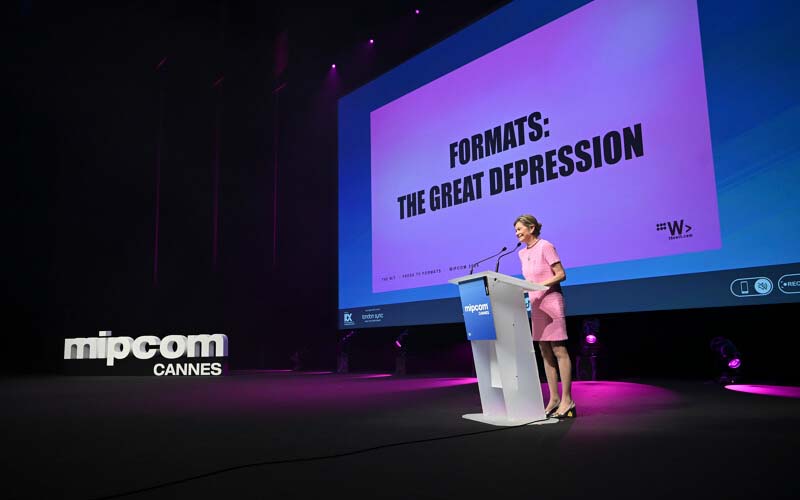
Mouseler highlighted that the industry has suffered a staggering 62% drop in new formats since the peak of its golden age between 2013 and 2014. During that period, 84 new formats were registered, whereas in the 2024-2025 season there were only 32, effectively returning the market volume to where it stood in 2008. For this analysis, the consultancy defines a format as a show that has secured at least one option within 12 months after its premiere. This recession has significantly impacted traditional powerhouses; the UK has been heavily hurt despite being the historical leader in format creation, while Israel, once considered an indispensable major actor in this market, has not exported a new format since 2018.
Despite the sharp drop in new intellectual property creation, the executive emphasized that there is a bright side to the current ecosystem. While fewer entirely new formats are emerging, the industry is witnessing a higher renewal rate, resulting in more new seasons of established shows being produced.
Regarding the most adapted formats worldwide over the past 12 months, Can’t Stop Media‘s The A Talks led the ranking with eight new adaptations. It was closely followed by All3Media International‘s The Traitors with seven, and Talpa Studios‘ The Floor with six adaptations. BBC Studios‘ The Nation’s Dumbest secured five new versions, while Avalon Distribution‘s Taskmaster and Seefood TV‘s The Box tied on the list with four adaptations each.
To navigate this recessive era, Mouseler introduced the concept of a «new religion» among creators and buyers: taking successful properties driven by digital content creators or YouTubers and scaling them up for traditional platforms and international markets. Streaming services are heavily dominating this adaptation trend. As presented, Prime Video is currently the number one platform airing format adaptations over the last season, well ahead of traditional European broadcasters, while Netflix holds a respectable eighth place.
A clear example of this approach prioritizing digital popularity is the French show Terminal. Initially launched as a massive hit on YouTube (under Dreamspark) but lacking an international distributor, the property managed to capture the industry’s undivided attention. After being showcased precisely in a previous Fresh TV session, producer Bric Park contacted the original content creator, Mishu. As a result, the format is back for 2027 with a larger, updated version specifically designed for an international platform.
In addition to the Terminal phenomenon, the Cannes presentation highlighted a curated selection of upcoming formats poised to make an impact on the global market. Among the titles set to lead sales are Sofa Productions’ Bankzitters survival in the wild (The Netherlands, 2027), Raab Entertainment‘s Jet ski Star world championship (Germany, 2027), and Can’t Stop Media‘s emotional Facing the nursing home (France, 2027). Similarly, The Wit presented Peggy Power Productions‘ My grandfluencer (Belgium South, September 2026), alongside innovative French proposals like Satisfaction‘s The convoy: make it through and Dreamspark‘s 100 doors. Rounding out the creative concepts was the Danish format The prison from Selch Media, illustrating the dynamism with which production companies are seeking to win back audiences in this new stage of the industry.