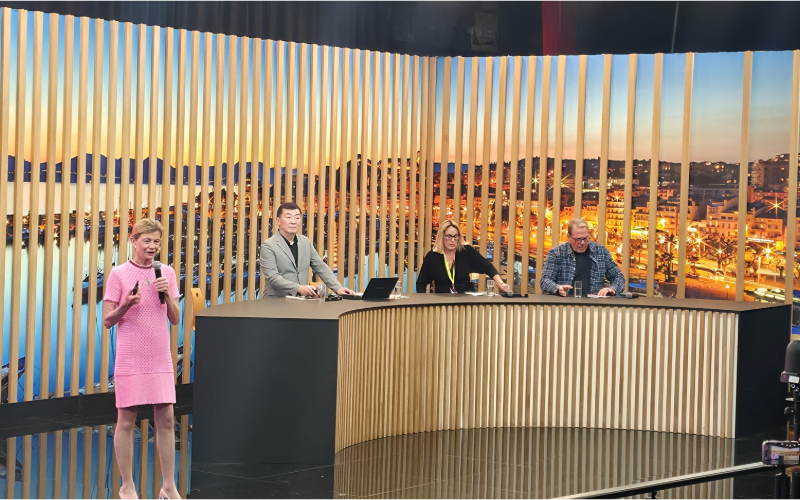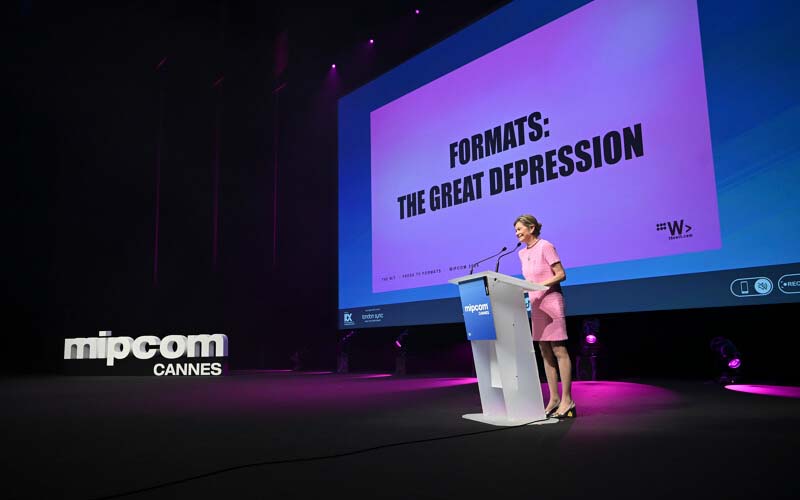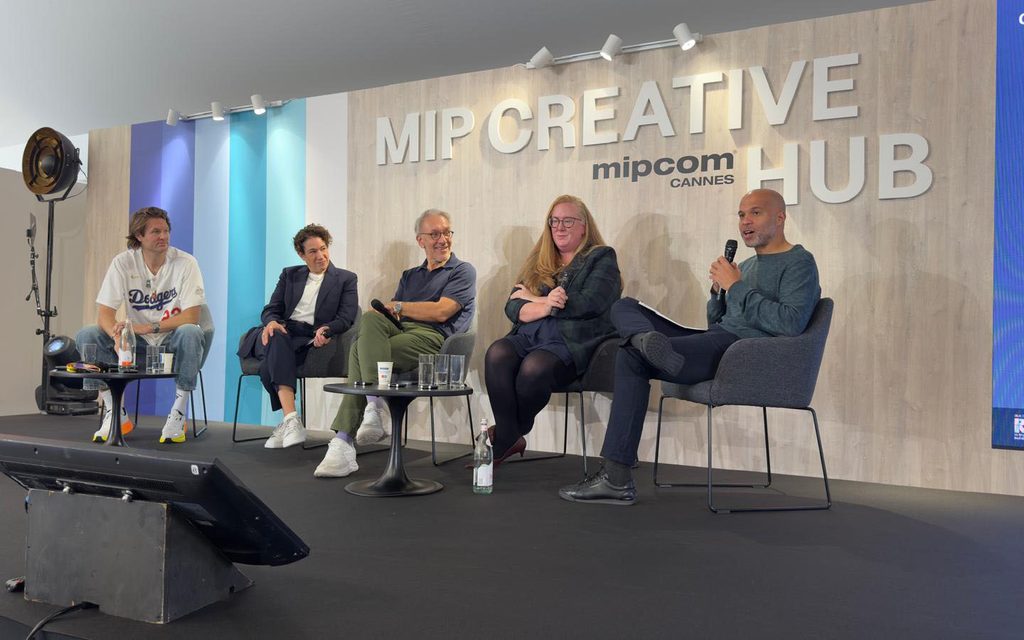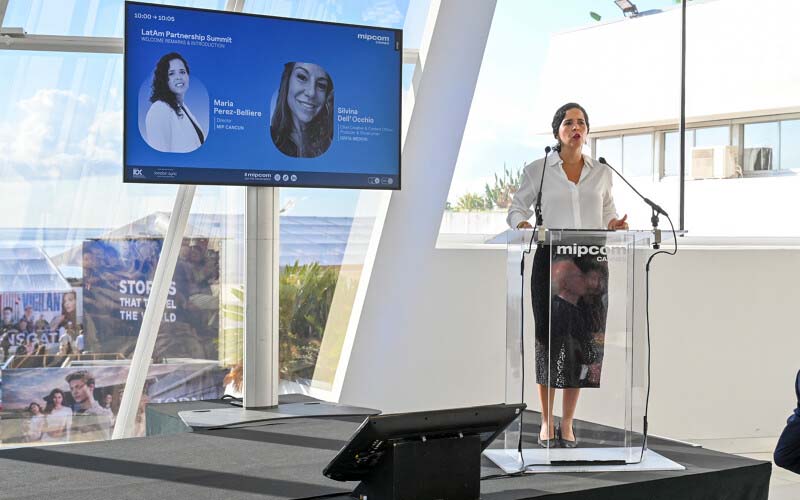
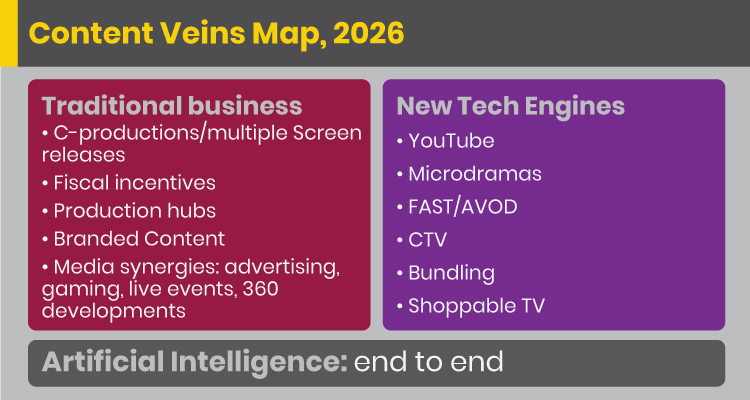
The European Spring pack of events has included this year MIPLondon, in its second edition with London Screenings, late February; SeriesMania, mid-March; and Content Europe, for the first time in Lisbon, Portugal, in late April. We develop each event with single articles aside, but here it is good to deploy the cross trends: the content market has now two big sectors, traditional business —to sell, buy, produce programming— and the new age veins —social media, vertical series, CTV, bundling, shoppable TV, etc. In both, the need is the same: to evolve, to set up twists, to surpass the current challenges for a better monetized market. Let’s see a bit how…
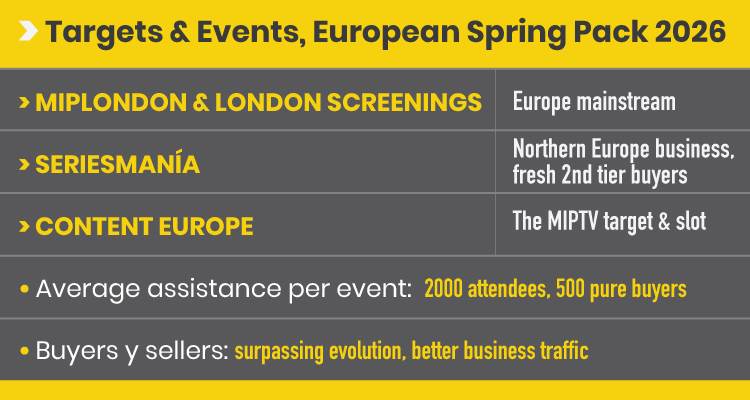
The content events’ segment is not stable: after 5+ decades of having the same events, now the map changes every year, in events and dates. Recently MIPTV, traditional Natpe Miami, this year Natpe Budapest, were discontinued. Content Americas appeared for the Americas, MipLondon has created a new space to enrich London Screenings, while Content Europe takes this year the demanded April-slot of MIPTV, with good repercussion of exhibitors and buyers. The latter is concreting what Prensario had suggested for MIPTV two years ago: to continue with everything except for a lower-cost city and format.
MIPLondon? It was more successful than what many expected, because it integrated the buyer traffic with the exhibitor tables, and many distributors said they had 35-40 meetings with pure buyers during the three days. SeriesMania? It continued as a solid option to attract Northern Europe business, fresh 2nd tier buyers. It is growing year per year and many companies, public entities, have decided to bet on the event this year.
Two sectors, one business
As we’ve said above, there are two big sectors today at the market: traditional business segments and the new tech veins. About the first ones, the main thing is to generate strong own content, while production costs are up and incomes (advertisement, subscribers) are flat or unstable. Solutions for these are co-productions, multiple-screen launches, now also with the big SVOD platforms; fiscal incentives, production hubs, where now medium and small countries also want to participate.
The ‘traditional’ map is completed by Branded Content and synergies with advertising, gaming, live events, 360 developments: books, toys, etc. Of course all these fields are touched by digital, but they can be considered traditional because they’ve been running for years and you don’t need digital expertise to deploy them. Branded Content is today very strong, though continues incipient, as a direct tool to afford productions. Many producers already have included the advertiser in the project, when they introduce it to the broadcasters or platforms, accelerating the processes. There are already agencies dedicated to join projects with advertisers, or to generate contents based on big brand needs.
Artificial Intelligence needs a separated category, because today with the GPT chat and its ‘generative’ version, is present at every step of the content market, traditional and new sides: planning, development, production, edition, releases, distribution, marketing, operations. Complete productions can already be made just with AI, without anything from the ‘real world’. There is already a strong debate globally, about if it must be permitted that AI takes everything, or not. What people against say, is that human work must be protected, but above all, they say AI reduces the creativity, authenticity, singularity of the contents. ‘As the esthetic surgery that makes all women have the same nose, etc., AI makes contents very similar each other’, it was said.
About the tech veins, the big challenge today is to generate a touchable business with Youtube, to monetize the multiple initiatives that today run for free or without control, moving audiences. For these, the best is to make alliances with expert players and to follow their advices. Players as Copyright Capital and VA Media for instance, that Prensario mentions regularly. They are specialized partners of YouTube that provide partnerships and even services, to take expertise and to guarantee performance.
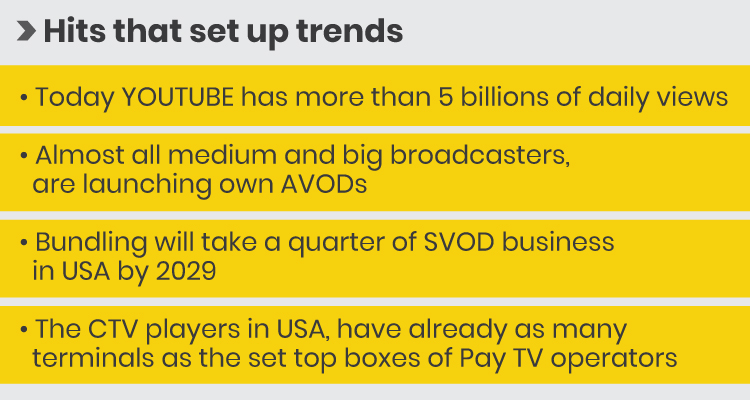
Below Youtube, there are two veins which have already boomed as hot topics: FAST/AVOD and vertical microseries. Today most of the medium and big broadcasters are launching own AVODs and FAST channels. The advertisement is sold in a Free TV / digital pack, gaining digital advertisers that before they used to lose. Broadcasters push better AVODs than SVODs, though the biggest ones have both. The big SVOD titans, on the other hand, are launching AVODs, and the ‘Super Aggregators’ (the former main Pay TV operators) are adding themselves to the digital bowl mixing bundling, content deals and even original productions.
About microdramas, we’ve been talking about them since 2024, but in 6 months (from April to October 2025) they’ve moved from a promise to a market fever. Today everybody wants to manage vertical series, both global and local players. Some of them, even, reduce their traditional series to have short content to offer. The big promise of the vertical series is to take content market from households to cell phone individuals, millions wider. Reelshort and DramaBox are two of the most popular vertical apps, that got massive in China and now are developing the international markets, making local alliances and co-productions. There are big opportunities in all senses.
To complete the tech side, there are another three that are emergent but already steady veins: Bundling, CTV and Shoppable TV. Bundling is when telcos, Pay TV operators set up packs with the big SVODs, joining their accesses or part of the content. This way, they offer for instance 5 platforms for the cost of 2-3. In USA, according to OMDIA, bundling will take a quarter of SVOD business for 2029.
Connected TV (CTV) is led by Samsung, LG, among others. The idea is to turn the smart TVs in digital hubs as the aggregators, and let the user make recording, bundling, shoppable TV, directly from his TV set. In USA, the CTV players have already as many set-top boxes as the Pay TV operators. Shoppable TV is to buy in real time products watched on the screen: the main actor jacket, merchandising, etc. In Asia for instance, there are already 5-6 very big regional players in this segment, and they move fortunes as ecommerce. This is a new very good source of incomes for platforms, broadcasters and producers.
Priorities?
With so many options to follow, content industry members ask themselves in which ones to make focus. In this report we’ve included the veins in order of expansion, so a good guide would be to follow this order. But of course, you must also attend your own instinct or the appeal with your current activities.
Prensario suggestions: considering traditional market veins, Branded Content seems to be simple and adaptable to most of the current contexts. The broadcasters usually deal with advertisers, if they propose good ideas, the responses should be good, too. Among the tech veins, there are segments to take for sure, as YouTube. Who has catalogues, FAST is a direct solution to add digital business and incomes.
About the newest options, the microdramas are required everywhere, they have a tremendous market waiting. Shoppable TV is in its first steps in many markets, so it is good to be a pioneer. Bundling is a very creative opportunity for those who are smart… everything can be deployed. It is important to move at least a couple of these veins, to be prepared for the market to come.
Nicolás Smirnoff