
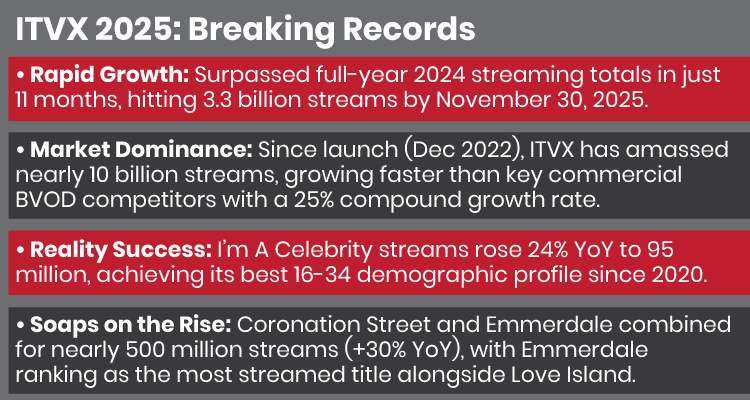
Since its launch in December 2022, ITVX has recorded a 35% increase in viewer hours, positioning itself as a central pillar in ITV’s digital transition. According to data released by the broadcaster, the platform reached a monthly record of 375.8 million streams in June 2024, representing a 54% year-on-year increase.
Behind these figures lies a significant corporate restructuring. Jane Stiller, ITV’s Chief Viewer Officer, attributes the platform’s trajectory to a shift away from siloed operations toward a unified end-to-end viewer strategy that bridges the gap between content commissioning and commercial monetization.
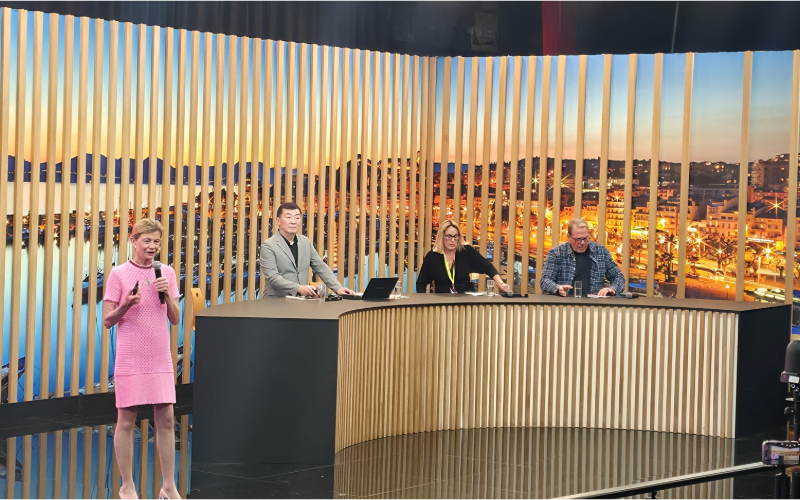
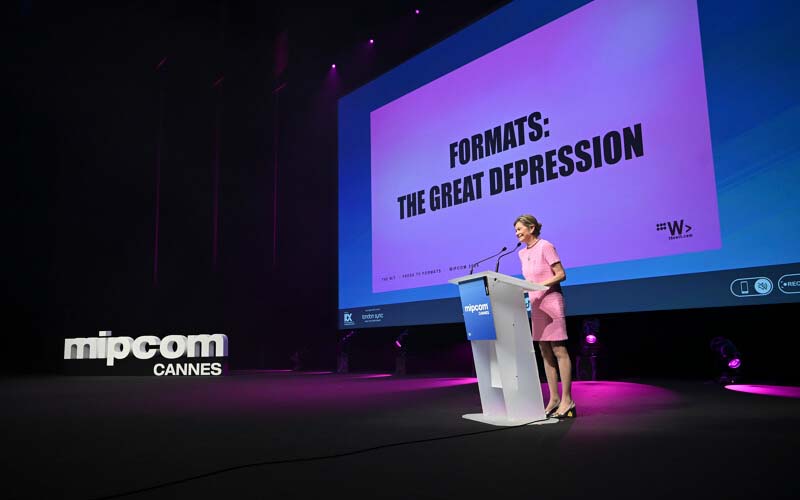
Speaking at a recent industry conference, Stiller explained that ITV previously operated with separate streaming, marketing, and product divisions. While these units functioned independently, they lacked a cohesive view of the consumer journey.
‘We used to have a separate streaming division. We used to have a separate marketing team. We used to have kind of a lot of different bits that were all thinking about viewer needs, but they weren’t always joined up’, Stiller stated.
Under the current structure, her team sits between the content division and the commercial team. Her remit encompasses insights, marketing, brand, publicity, and distribution. ‘If it’s not commissioning the content, it’s not monetizing it, everything else really sits within the viewer pillar’, she noted.
The ‘broadcaster streamer’ model
Despite industry debates regarding the decline of traditional television, Stiller emphasized that linear broadcasting remains a critical asset for the company’s digital growth. ITV defines itself as a ‘broadcaster streamer’, leveraging its traditional reach to drive traffic to its digital platform.
Stiller noted that the company has moved away from exclusive windowing for the streaming platform in favor of simultaneous launches. ‘We’ve closed that window now so if something launches, it launches big everywhere’, she said, adding that this approach allows for a concentrated marketing push.
Financially, the cross-promotion capability of the linear channels represents a substantial asset. ‘That inventory… that we use to promote our own stuff is worth, you know, 250, 300 million pounds worth of media spend’, revealed. This promotional power allows ITV to direct viewers from high-rating programs like Coronation Street directly to ITVX.
Mental and physical availability
The executive highlighted two key marketing concepts driving their strategy: ‘mental availability’ (building anticipation) and ‘physical availability’ (ease of access).
Citing internal research, Stiller argued that the anticipation of content is often as important as the viewing experience itself. The goal is to ensure the brand is ‘top of mind’ before a user even turns on a device. However, she warned that marketing is ineffective if the distribution technology fails.
‘There’s no point in me… being really excited about, you know, let’s say watching the first episode of The Traitors… and then not being able to find it, not being able to get it, it not being available on my platform’, she said. She stressed that friction in the user journey, such as poor app load times or login hurdles, leads to immediate viewer loss.
Regarding the balance between algorithmic personalization and editorial curation, the executive rejected the idea that it must be an ‘either/or’ choice. While ITVX utilizes automated decision-making tools, editorial judgment remains necessary for major national events or culturally significant dramas.
Stiller cited the recent drama Mr Bates vs The Post Office as an example of content where data tags alone are insufficient to predict resonance. ‘It’s very hard, I think, within… an emotional story like that to put a… data tag on it and say, well, because it’s like this, someone else is going to like it’, she explained.
Currently, ITVX offers over 21,000 hours of free-to-view programming, a significant expansion from the 4,000 hours available on the previous ITV Hub service in early 2022. Stiller confirmed that the company is now focused on what the next two years will look like to sustain the current growth trajectory.