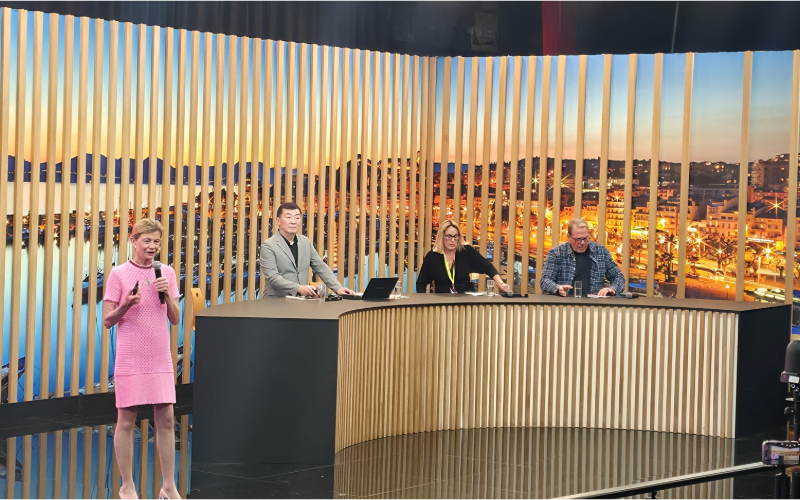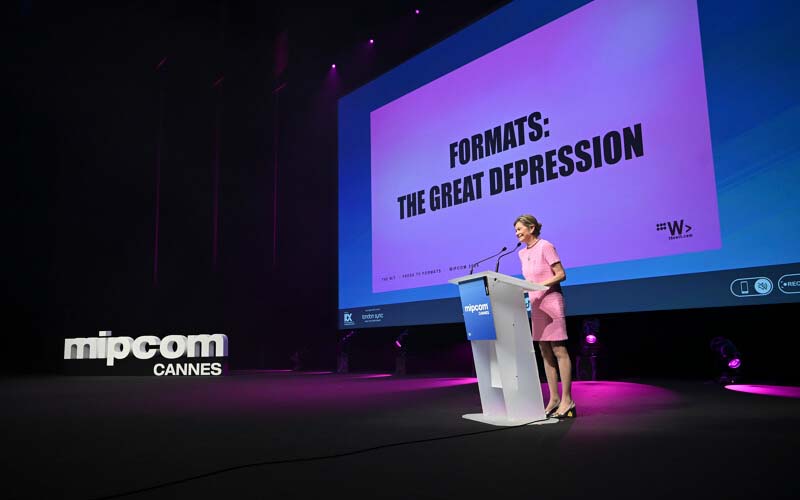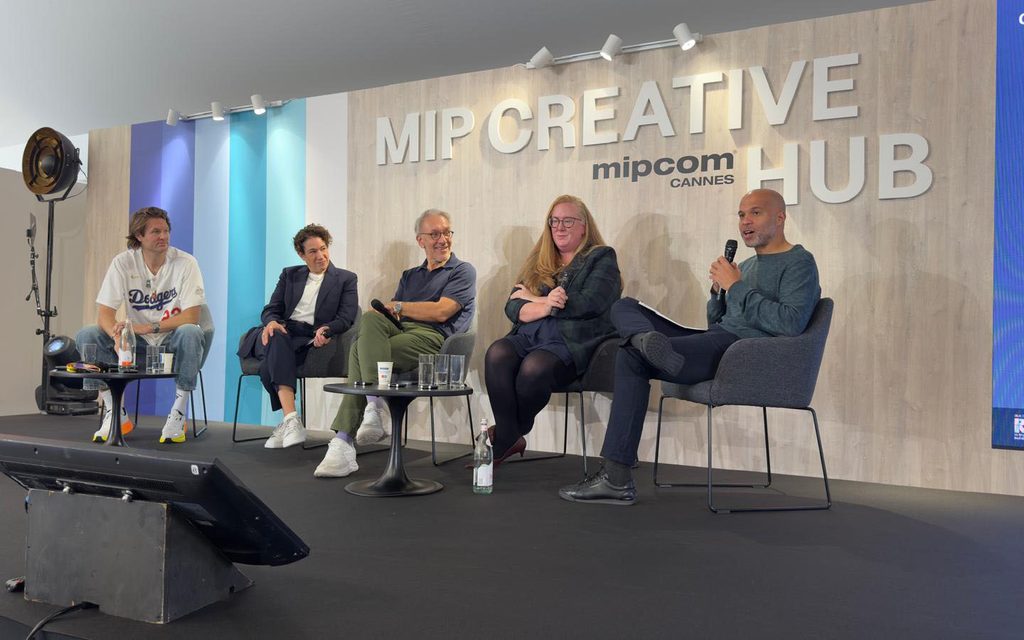
The European television industry is entering a phase of recalibration following a prolonged period of production expansion, according to data presented at the Series Mania Forum. During the «Key Trends in the TV and VOD Market» panel on Tuesday, representatives from the European Audiovisual Observatory, including Agnes Schneeberger and Gilles Fontaine, alongside industry executives Robert Franke and Synnøve Hørsdal, detailed a trend reversal in the high-end television sector. Following a peak in 2022, overall production levels declined in 2023, signaling a structural change in how series are developed and financed rather than a simple market downturn.

A primary indicator of this transformation is the growing disconnect between the volume of commissioned titles and total production hours. While the number of series produced has remained relatively stable, the total hours of content have decreased. The industry is transitioning away from traditional 10 to 13-episode formats toward shorter runs of six to eight episodes, frequently with reduced runtimes. Producers on the panel indicated that this format optimization responds directly to budget pressures and aligns with the changing viewing habits of younger audiences who are less inclined to commit to long, serialized narratives.
Contextualizing these figures globally, the data showed that Europe experienced stronger growth than the United States during the recent production boom and has subsequently faced a less severe contraction. Streaming platforms continue to invest in European content, maintaining the region’s strategic relevance. However, the broader streaming economy has shifted away from venture capital-driven investment aimed at market share acquisition. That phase has been replaced by a strategy focused on efficiency, a transition accelerated by market saturation and post-pandemic shifts in audience behavior.
Despite the ongoing focus on streaming platforms, the panel reaffirmed that public and commercial broadcasters remain the backbone of European production. These traditional entities are currently operating under increasing constraints, including declining advertising revenues, audience fragmentation, and competition from global digital platforms. Consequently, broadcasters are adopting cautious commissioning strategies that favor established formats. Addressing the digital shift, Schneeberger detailed YouTube’s trajectory within the audiovisual ecosystem. Transitioning from its pre-2020 focus on user-generated content, the platform has doubled its revenues by 2024, moving from eighth to third place in industry rankings and establishing itself as a central competitor alongside traditional broadcasters and streaming services.