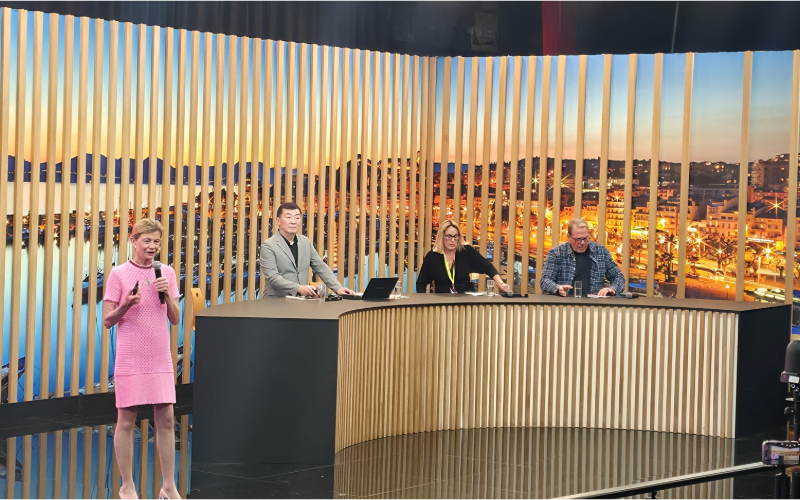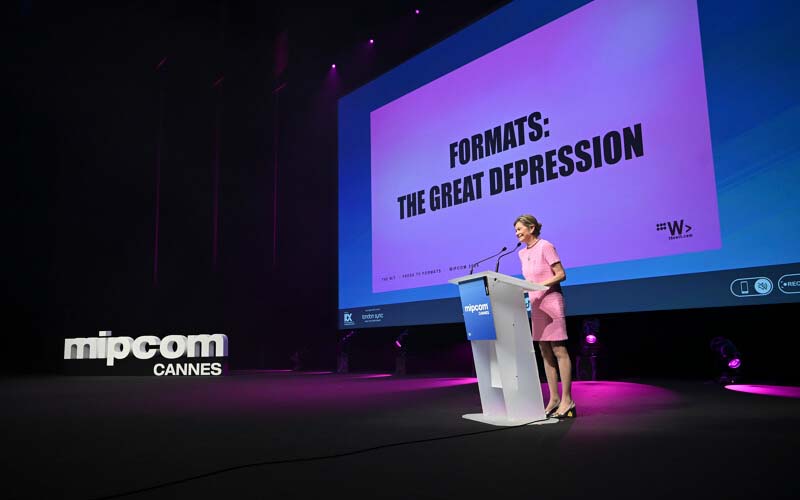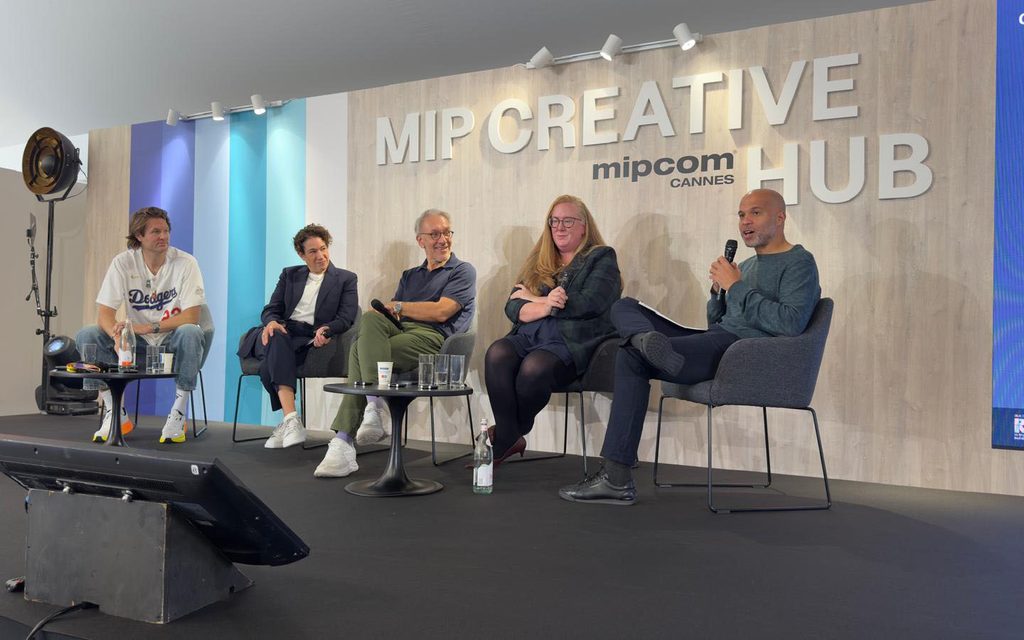

In 2026, television is undergoing a profound transformation: the polished aesthetic of the major studios is beginning to lose ground to the immediacy and authenticity of content created by independent creators. What was once considered amateurish is now becoming a key tool for connecting with increasingly elusive audiences.
Recent data shows that unscripted content already dominates streaming, driven not only by lower costs but also by a strategic necessity: to compete with the consumption patterns of social media. In this context, the true crime genre is establishing itself as a major player, supported by footage from security cameras, mobile phones or home recordings that provide a sense of authenticity difficult to replicate in traditional productions.
This phenomenon is not one-sided. Whilst television incorporates the language of creators to foster a sense of closeness, creators are also finding a place on linear television, drawn by the reach and collective experience it still offers.
In a fragmented market, where attention is the scarcest resource, the industry seems to have found a new rule: less perfection, more authenticity. Thus, the role of the producer is also changing, shifting from constructing self-contained narratives to curating real-life stories, where an image captured on a smartphone can prove more powerful than a multi-million-pound production.