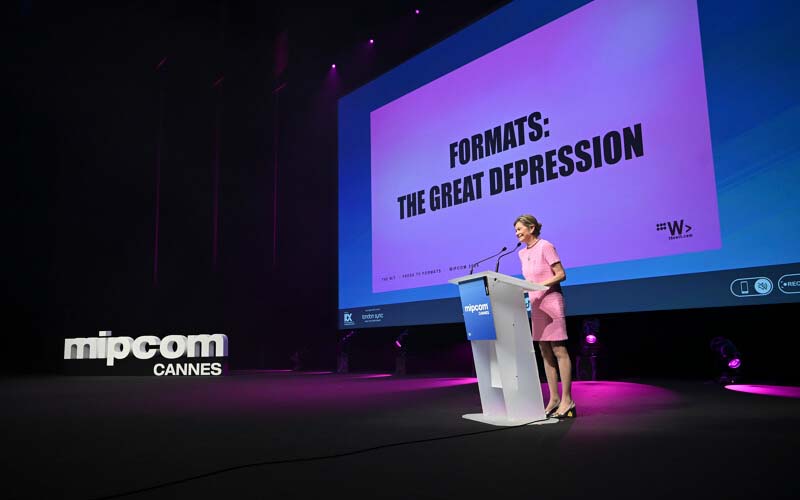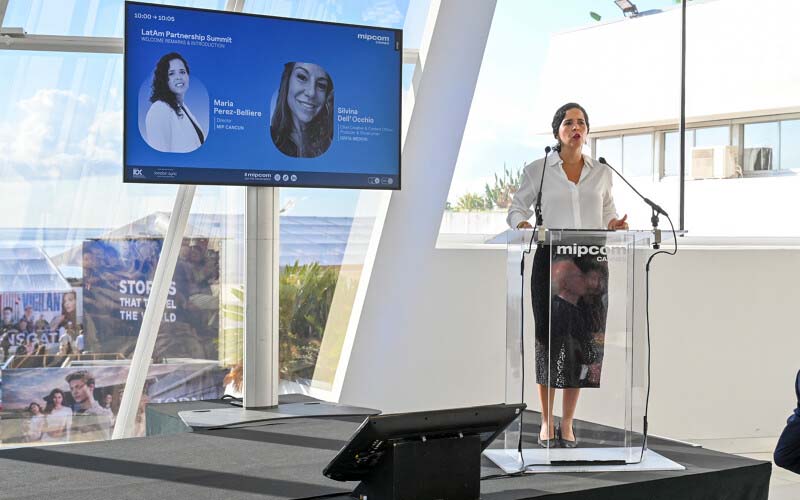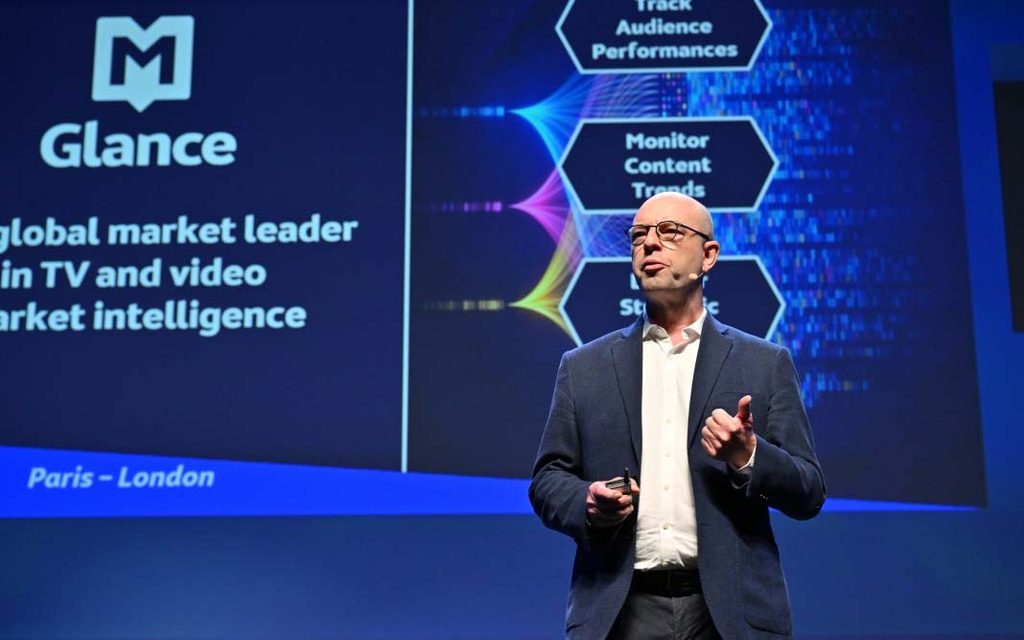
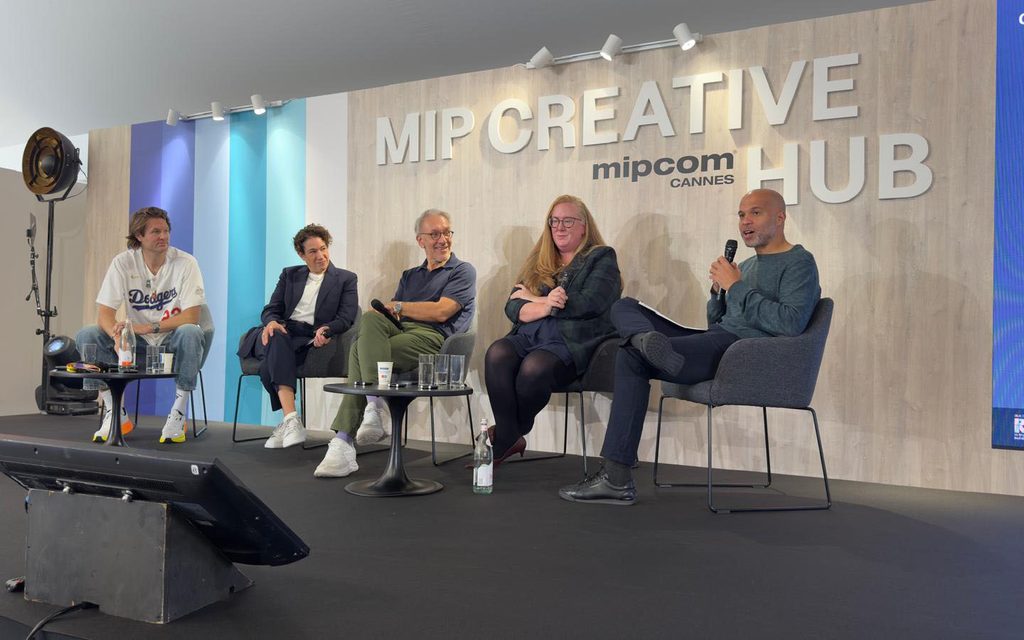
During the «FRAPA Format Summit: Formats in the Digital Age» panel at MIPCOM 2026, leading executives from Amazon Studios, Banijay, Tresor Productions, and Signal.Stream gathered to analyze how formats born within digital ecosystems are fundamentally transforming the development, production, and international distribution of content. Moderated by Nick Smith, Co-Chair of FRAPA, the session highlighted the growing synergy between digital creators and traditional television models, while also addressing the pressing challenges of intellectual property protection in an era of rapid online content generation.
Jenn Levy, Head of Unscripted Development at Amazon Studios, outlined the platform’s current strategy for unscripted entertainment, emphasizing a strong demand for formats featuring solid narratives, compelling characters, and a structure capable of generating continuous, bingeable consumption. Showcasing the streamer’s ongoing investments, Levy pointed to the global expansion of the comedy hit LOL, the adaptation of a beloved video game universe into the reality format Fallout Shelter, and the continued development of massive projects with digital native creators, building on the high-profile experience of partnering with MrBeast for Beast Games.
The panel also explored the massive international potential of formats initially launched on social platforms. Helen Greatorex, Head of Third-Party Format Acquisitions at Banijay, presented the global rollout possibilities for Stop the Train, a highly successful format originally created by French YouTube star Squeezie that has sparked significant interest across various markets and platforms. The ensuing debate underscored the evolving role of traditional production companies, which are increasingly acting as essential partners for digital creators by bringing crucial expertise in high-end production, international distribution, and local format adaptation.
However, this digital convergence brings significant risks alongside the rewards. Axel Kuhn, Managing Director of Tresor Productions, shared his experience adapting the hit internet interview series Hot Ones for the German market. During his intervention, Kuhn issued a stark warning regarding the proliferation of unauthorized copycats on YouTube. He argued that these rampant rip-offs directly threaten territorial exclusivity and undermine the foundation of the traditional format licensing business, highlighting a blind spot in online copyright enforcement.
Offering a solution to the notoriously slow and expensive television development cycle, Wouter Van Der Pauw, Founder of Signal.Stream, championed an agile development model rooted in rapid experimentation, low costs, and real-time audience analytics. He explained that his company tested 24 different ideas over the course of a single year, a fast-paced strategy that successfully yielded six hit formats. Pushing this collaborative model further, Van Der Pauw announced that Signal.Stream will open its established YouTube channel to test third-party proposals, allowing external creators to gather audience data and share the resulting metrics.
Ultimately, the panelists reached a strong consensus on the new rules of engagement for the modern format industry: developers must actively accelerate their creation cycles, utilize digital data and online platforms to validate new intellectual properties before committing to full-scale production, and work collectively to strengthen the legal protection of formats against unauthorized imitations on open video networks.