During the recent panel at TIFFCOM 2026, leading figures from the Japanese animation industry discussed the philosophy and upcoming launch of a new Anime Award in 2027.
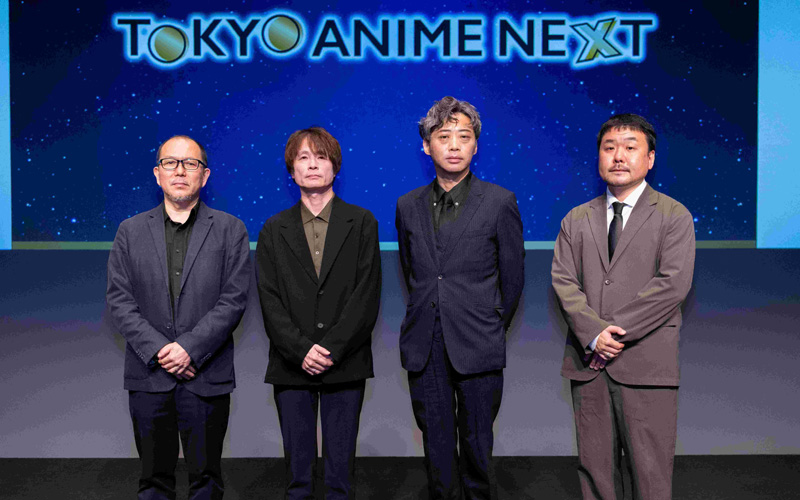
The panel featured Akira Shimizu (President and CEO of A-1 Pictures and CloverWorks, and Director of The Association of Japanese Animations), Yuichiro Saito (Animation Film Producer and Member of the Academy of Motion Picture Arts and Sciences), and Masaya Saito (Chief Producer at Toho Animation).
The main focus of the discussion was the necessity of establishing an award system tailored specifically to the unique characteristics of Japanese animation. Akira Shimizu explained that the primary motivation is to put the spotlight on the creators. “The starting point is the creators. Whether it’s the animators, the cinematographers, or the studios themselves, the goal is to evaluate them based on a standard specific to Japanese animation, not live-action,” he stated.
Masaya Saito echoed this sentiment, emphasizing the award’s role in changing how audiences perceive anime. “We want to help viewers understand the specific contributions of different creators—from voice actors to musicians and animators. By focusing on these individual efforts, we hope to change the way audiences enjoy and appreciate anime, making it easier for them to discover new works,” he said.
Yuichiro Saito offered a broader, international perspective, drawing on his experience with the Oscars and the Annie Awards. He argued that an award is more than just a ceremony; it is a mechanism for industry professionals to discuss the future of their art. «The award itself is just one part. It’s about the community—artists, producers, executives—coming together to discuss what cinema is and how it reflects society. This ongoing dialogue builds the future of the industry,” he explained.
A significant theme was the potential for the new Anime Award to establish a new global standard. Yuichiro Saito observed that the world currently has two main cinematic values: the European tradition of art cinema and the American model driven by Hollywood. “If Japan is creating this award, it should aim to become the third global pillar, representing Asian and Japanese aesthetics and values. This could introduce a new paradigm to the world, alongside the European and American standards,” he proposed.
Masaya Saito also highlighted the importance of global reach and localization. “Japanese anime is the only Japanese entertainment truly localized and broadcasted worldwide. We need to ensure that this award is accessible globally, perhaps through multilingual broadcasts, so international fans can understand our evaluation criteria and enjoy the culture of these awards,” he noted.
Looking ahead, Shimizu expressed a desire for the award to inspire future generations. “I hope this award makes the anime industry a place people aspire to join, perhaps even making it the number one career choice for young people. I want this award to last for 100 years, just like the Academy Awards,” he concluded.
The new Anime Award, spearheaded by the Association of Japanese Animations, is positioned not just as a domestic celebration, but as a strategic tool to defend and promote the unique brand of Japanese animation on the global stage.