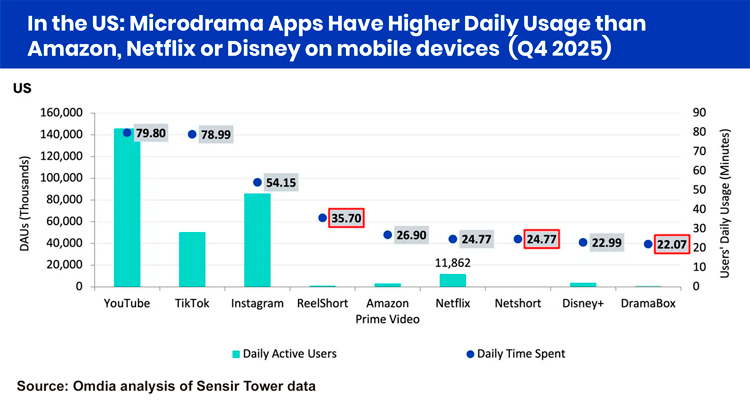
Many players need more than producing original content, how to adapt traditional programming to vertical. The Chinese apps are leading the global market, the challenge is to extend the life cycle of the users. Characterized by vertical orientation and episodes lasting between one to two minutes, these hyper-condensed narratives are not merely a niche trend but are rapidly outpacing traditional streaming giants in a critical metric—daily user engagement on mobile devices.
A recent analysis of mobile usage data by Omdia revealed that in the United States, audiences are dedicating significantly more time daily to viewing micro-dramas on mobile applications than they are to watching content on Netflix, Disney+, or Amazon Prime Video via mobile. Specifically, fourth-quarter data from 2025 indicates that the micro-drama application ReelShort generates an average of 35.7 minutes of daily mobile viewing per user. This surpasses Netflix (24.8 minutes), Amazon Prime Video (26.9 minutes), and Disney+ (23.0 minutes).
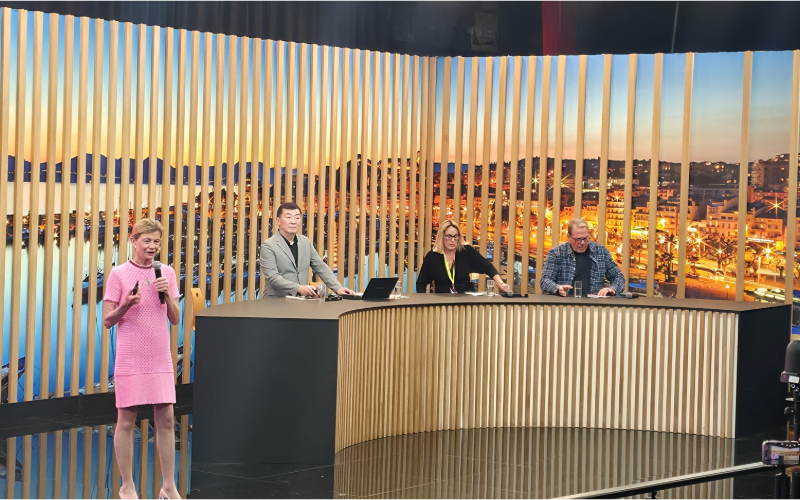
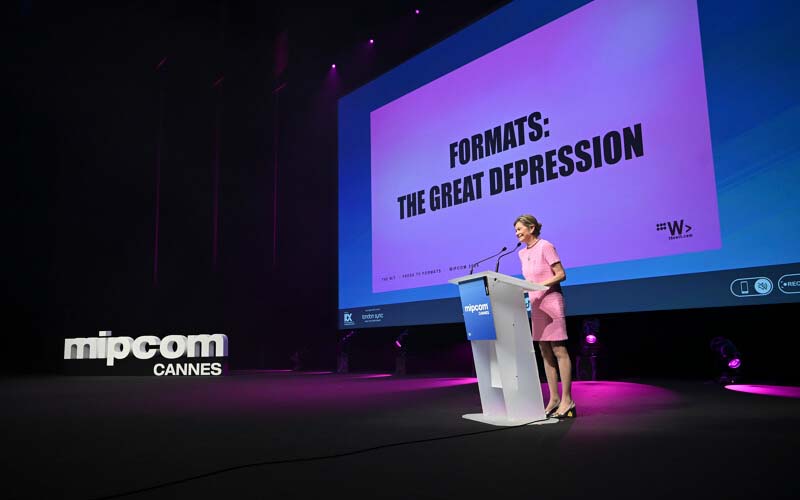
‘Micro-dramas are no longer a niche experiment. They are becoming a key driver of mobile video interaction’, stated Maria Rua Aguete, Media and Entertainment Director at Omdia, during her presentation at MIP London. While Netflix retains the lead in total monthly active mobile users in the U.S.—approximately 12 million compared to ReelShort’s 1.1 million—Aguete noted that micro-dramas are currently ‘winning the battle for attention, rather than scale’.
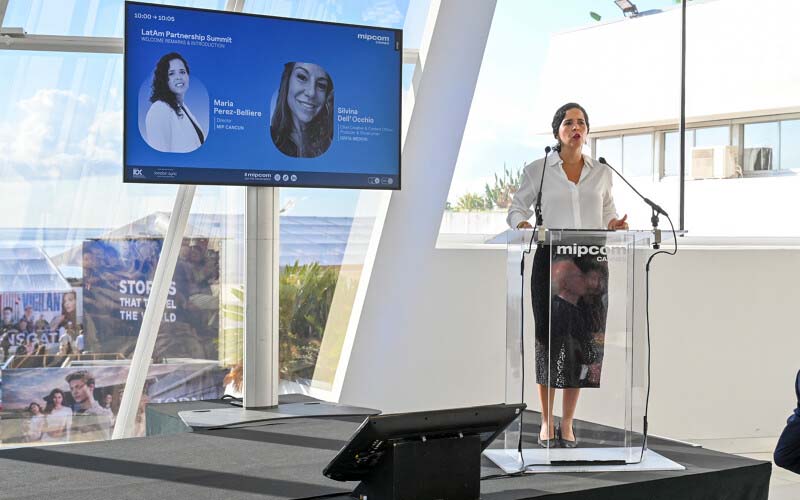
This trend extends beyond the United States. In the United Kingdom, the FlickReels app generates higher daily usage (22.39 minutes) than Amazon Prime Video (21.47 minutes). Similarly, in Mexico, DramaBox (27.9 minutes) outperforms both Amazon Prime Video (23.8 minutes) and Disney+ (22.5 minutes). Traditional media players in Latin America are already adapting; platforms like TelevisaUnivision‘s ViX in Mexico and GloboPlay in Brazil are integrating short-form serialized content into their AVOD and freemium ecosystems to boost reach and engagement.
The consultancy firm estimates that global revenue for micro-dramas reached $11 billion in 2025 and is projected to grow to $14 billion by the end of 2026. Of this, $3 billion will be generated outside of China, with the U.S. currently acting as the largest international market. By 2026, the U.S. is expected to account for 50% of all micro-drama revenue outside China, reaching $1.5 billion.
The target demographic for these vertical narratives has primarily been women aged 25 to 45, though new genres are emerging to attract male audiences and other demographics. Content discovery relies heavily on social platforms such as YouTube, Instagram, and TikTok.
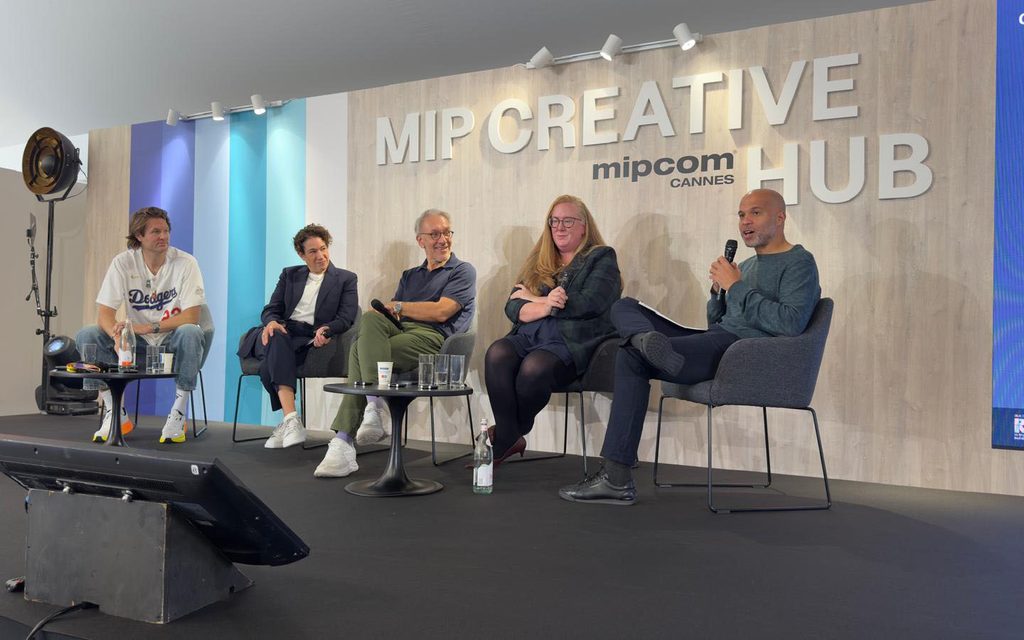
The economic potential of the format is drawing the attention of major technology companies, a move that industry executives believe will fundamentally alter the market. Speaking at Content Americas 2026 in Miami, Erick Opeka, President and Chief Strategy Officer of Cineverse and co-founder of the micro-drama company MicroCo, stated that the entry of tech giants like Facebook, Google, and TikTok will trigger an ‘industry reset’.
Opeka argued that the involvement of these massive social platforms will drive massive global consumption, transforming the current $8 billion market into an industry valued between $25 billion and $30 billion. He cited the trajectory in China, where micro-dramas experienced an explosive acceleration in viewership when they shifted from paid platforms to organic integration within everyday vertical social feeds, jumping from 30 million to 890 monthly users in just three years.
‘TikTok has already launched a specialized app, there are rumors that Facebook is about to launch a product, and I am convinced that Google will not delay’, Opeka noted, emphasizing that the inclusion of micro-dramas in the feeds of Generation Z and millennials is imminent. Research indicates that Gen Z currently spends approximately five hours daily consuming vertical content on social feeds, compared to a mere 26 minutes on linear television.
For traditional streaming platforms, the strategic implications are severe. They face increasing pressure to close the mobile engagement gap with social platforms like YouTube and TikTok, where users spend nearly 80 minutes daily. According to Omdia‘s Aguete, vertical video strategies are the ‘next logical step’ for streamers aiming to increase mobile usage without cannibalizing their premium long-form content.
Opeka confirmed this industry pivot, noting that Disney is already experimenting with the format, Netflix is actively analyzing it, and various Spanish-language platforms are conducting tests. ‘I can tell you that, from many informal conversations I’ve had, all global streamers are going to incorporate micro-dramas as part of their offering, because if they don’t, they are going to lose younger consumers to the big tech platforms’, he concluded. Furthermore, Omdia highlights that micro-dramas present a unique structural opportunity for telecommunications companies, serving as a value-added bundle or a tool to reduce customer churn amid challenges like ARPU pressure and heavy 5G investments.