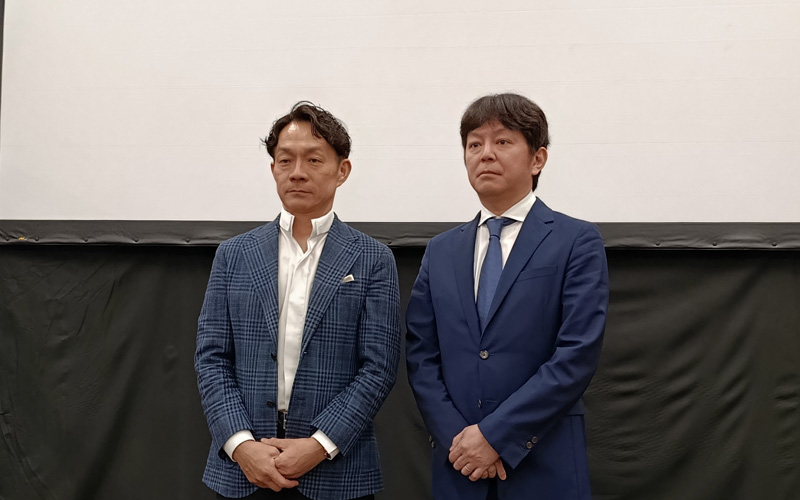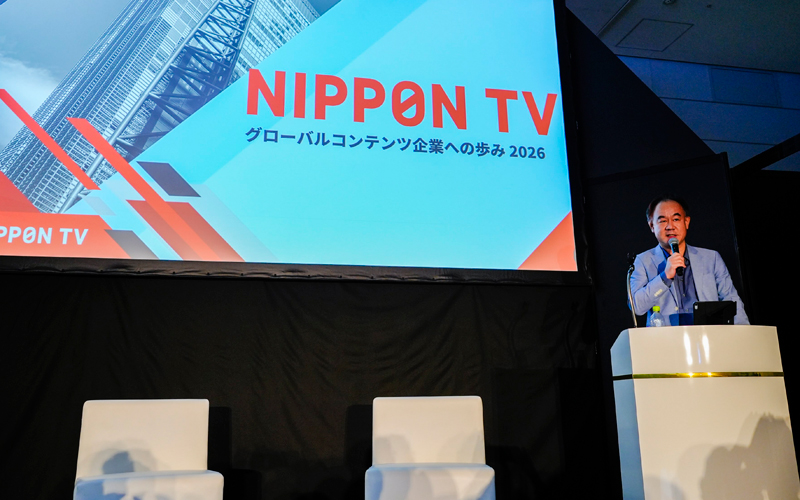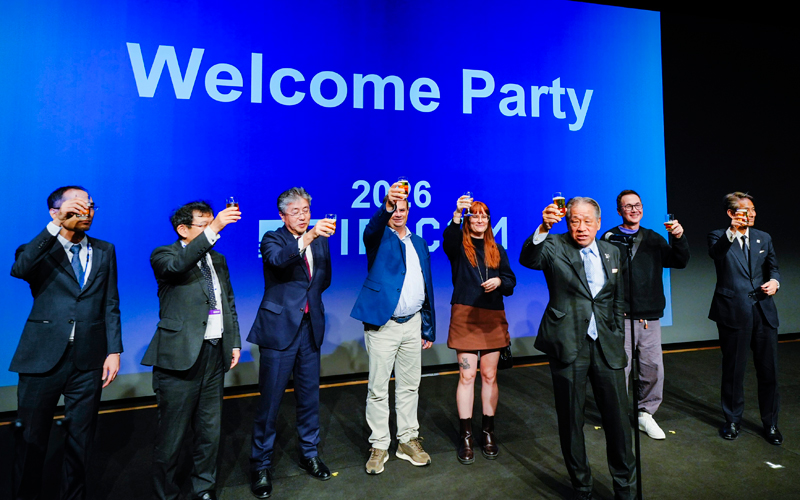
During the latest edition of TIFFCOM in Tokyo, the Broadcast Program Export Association of Japan (BEAJ) outlined new pathways for the internationalization of Japanese content. Moving beyond traditional linear sales, Japanese broadcasters presented advanced strategies involving FAST channel aggregation, language-agnostic formats, and experiential virtual reality. The initiatives align with BEAJ’s core mission to expand the global footprint of Japanese culture and broadcasting by adapting to multi-platform consumption and international operational standards.
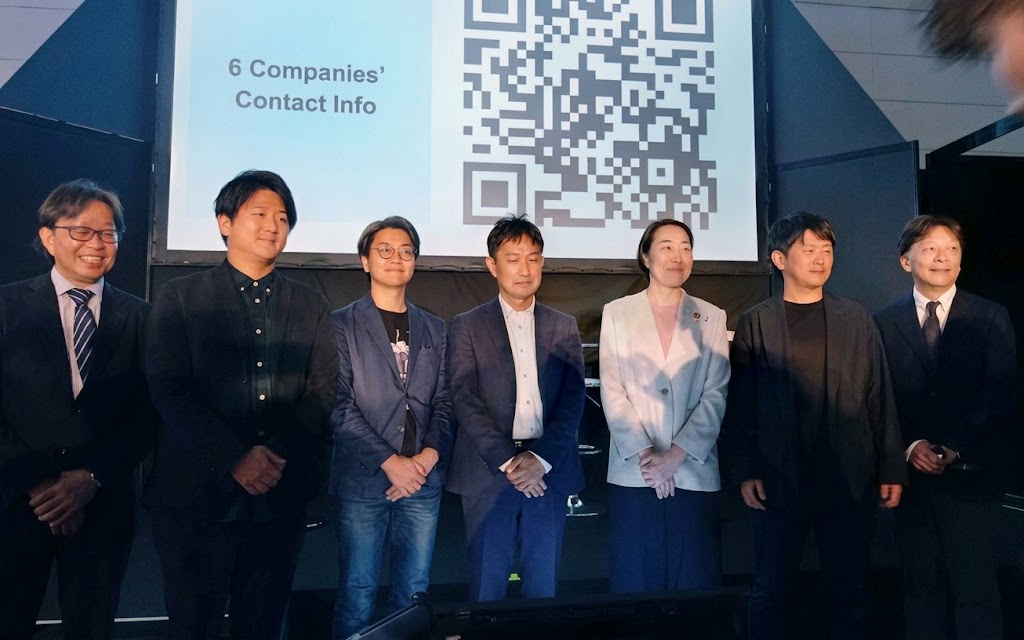
FAST Channels and AI Metadata Integration
Addressing the growing demand for catalog content on global streaming platforms, Hokkaido TV (HTB) presented the “Local Content Bank”, a joint venture aggregating lifestyle and cultural footage from regional stations across Japan. Recently partnering with A&E, the initiative leverages artificial intelligence to catalog decades of regional programming. “We have daily footage of local food, like ramen or sushi, and local life. But broadcasters haven’t fully utilized this,” explained HTB’s representative, Akutsu. “We use an AI meta-support system to automatically generate metadata and subtitles. We can package highly specific content based on client keywords, delivering ready-to-air thematic blocks.”
Language-Agnostic Unscripted Formats
Following the international licensing of its format Save Money via NBCUniversal, Chukyo TV introduced Draw a Line (Sen-hiki), a visual quiz show designed for immediate cross-border adaptation. The format relies entirely on visual problem-solving rather than cultural trivia. “It is a quiz format that requires no prior knowledge or educational background, only intuition and inspiration,” stated Yokoi from Chukyo TV. “Because the concept relies purely on visual puzzles, it transcends language barriers, making it highly scalable and adaptable for any overseas market.”
Experiential Content: VR and Physical Exhibitions
Broadcasters are also expanding their IPs into physical and virtual location-based entertainment. Fuji TV showcased Tosochu: Liminal World, a free-roam VR adaptation of its long-running reality game show Run for Money. By moving the physical chase into a virtual environment, Fuji TV solved logistical barriers for international buyers. “Instead of renting a shopping mall and hiring physical hunters, which is expensive, VR allows us to create an expansive 300-square-meter world within a small room,” said Fuji TV producer Aoki. “It significantly reduces personnel and production costs, making it a highly accessible event package for overseas clients who acquire the TV format.”
Similarly, TV Tokyo shared the success of its Temple of Horror (Kyofu Shinden) physical exhibition, which recently debuted in Taipei, Taiwan. The event monetizes universal phobias rather than traditional Japanese ghost stories. “The internal feeling of fear is universal across borders,” noted TV Tokyo producer Miyamoto. “We focus on universally recognizable fears, such as needles or ringing phones, rather than culturally specific horror. This removes cultural barriers and drives immense social media sharing among young demographics internationally.”
Original IP Investment and Localization
Regional broadcasters are also redefining their operational models. San-in Chuo Television (TSK) introduced the “Dopamine Project,” an initiative where the local station directly funds independent creators to develop global-facing original films and manga. “As a local station, we are realizing that our greatest advantage is acting as an IP creation company with a high degree of freedom,” explained Kawanaka from TSK. Meanwhile, Nankai Broadcasting detailed a unique localization barter with US cable networks for its show Mogitate TV. Instead of paying for dubbing, Nankai provides the raw episodes, and the US partner creates the English subtitles, sending the data back to Japan to build an international catalog. “Our ultimate goal is not just selling programs, but revitalizing our region and driving inbound tourism,” their representative noted.
The projects presented at TIFFCOM reflect a structured evolution in Japan’s export strategy. By prioritizing tech-driven localization, cost-effective experiential IP, and universally adaptable formats, BEAJ and its member broadcasters aim to establish a more dynamic and diversified presence in the global content ecosystem.