Executives from Amazon MGM Studios, Netflix, and Credeus analyzed the structural challenges of adapting cult franchises for the international market, highlighting the need to elevate production quality and redefine rights management.
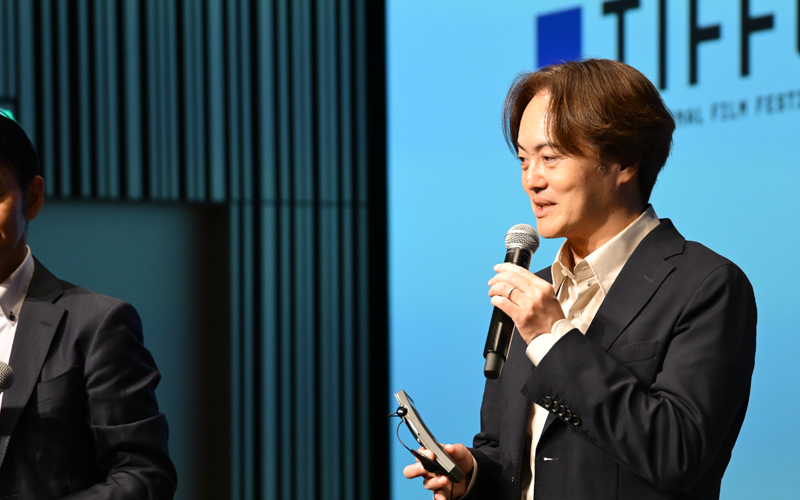
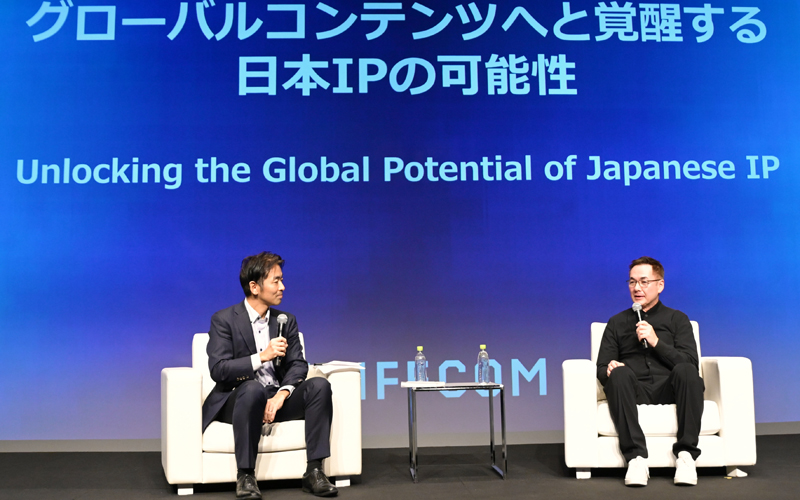
During TIFFCOM edition in Tokyo, key players in the audiovisual market debated the strategies required to unlock the global potential of Japanese intellectual property (IP). In a panel supported by MPA Studios and government entities, executives from Amazon MGM Studios, Netflix, and Japanese production company Credeus outlined how the transition towards global-scale budgets and the adoption of Western production frameworks are transforming the industry. The platforms’ strategy canters on acquiring established manga and anime franchises and adapting them into high-impact live-action productions, capable of attracting global subscribers whilst maintaining fidelity to the original work.
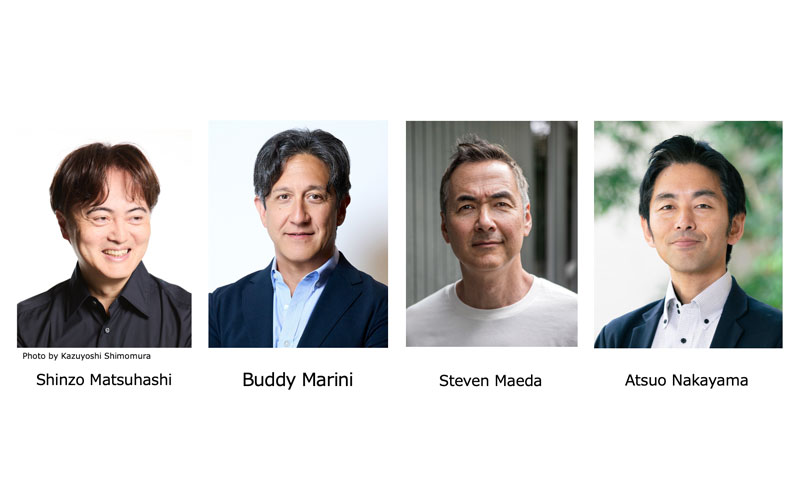
The leap from animation to live-action demands a significant financial restructuring by regional standards. Steven Maeda, executive producer and showrunner for Netflix’s One Piece adaptation, explained that the project took four years to develop and required intense funding negotiations. Facing initial market skepticism, the production team developed three budget models, ultimately opting for the highest tier to ensure the technical viability of a story that heavily relies on constant set construction. “The challenge with global IP is twofold: you must deliver a faithful adaptation for traditional fans, whilst simultaneously attracting a new audience,” Maeda detailed.

A central operational aspect discussed during the session was the gradual introduction of the showrunner concept into the Japanese ecosystem. Whilst in the US industry this role falls to a writer-producer who comprehensively oversees the creative, financial, and logistical phases—from script to post-production—roles in Japan are typically strictly fragmented. The integration of experienced showrunners allows VOD platforms to standardise operational control over complex productions, thereby minimising the risks associated with investments that now run into hundreds of millions of dollars.
From the perspective of major streaming operators, regional strategy has shifted. Buddy Marini, Head of Amazon MGM Studios Japan, detailed the platform’s transition from operating primarily as a third-party content aggregator to consolidating itself as a comprehensive studio. Currently, Amazon manages projects from the initial concept through to final delivery; driving titles aimed at international consumption such as the series Yakuza (Like a Dragon) and the live-action adaptation of Oshi no Ko. Marini emphasised that global viewers do not segment content by its country of origin, but rather by narrative quality, which compels the Asian industry to compete by operating at “double the global standard”.
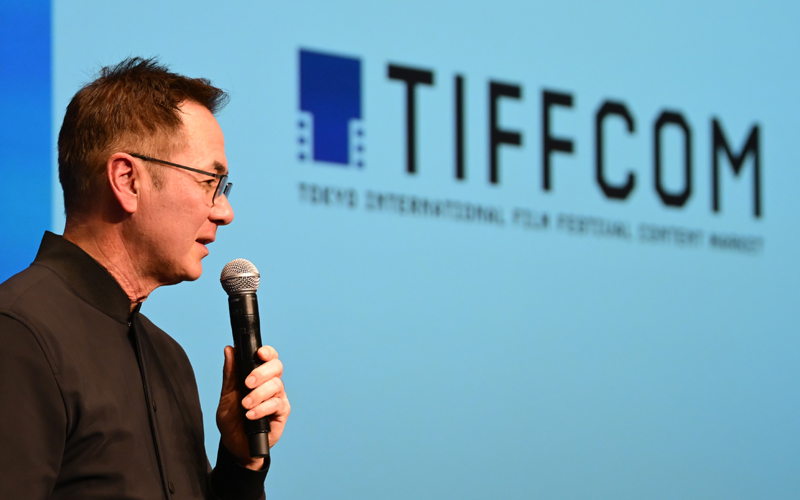
For independent producers, the streaming boom represents an unprecedented opportunity to retain intellectual property. Shinzo Matsuhashi, CEO of Credeus and producer of the successful film franchise Kingdom, analysed the shattering of local budget ceilings, where films have historically averaged significantly lower costs than in the West. For Kingdom, the production company leveraged a budget seven times the national average, bringing on board global partners such as Sony Pictures. Matsuhashi underscored the importance of frameworks where producers retain rights control once the initial investment is recouped, marking an evolution from the restrictive and traditional Japanese “production committee” model.
The impact of this adaptation model generates direct synergy across distribution windows. According to the panelists, successful live-action properties feed back into the franchise’s ecosystem; in the case of One Piece, the Netflix premiere triggered a spike in the consumption of the original anime and boosted merchandising. However, the sector still faces the commercial challenge of exclusivity: whilst IP creators prioritise open distribution to maximise the global reach of their works, streaming platforms require exclusive windows to justify their high volume of investment.
In the medium term, the Asian market will remain a critical provider of literary and video game IP for the audiovisual sector. Although emerging technologies such as artificial intelligence are beginning to be integrated into production optimisation workflows, executives agreed that audience retention would depend exclusively on human creativity and respect for the source material. The industry’s objective is to consolidate co-development structures so that transitioning Japanese properties to the international market ceases to be a high-risk experiment and becomes a scalable, replicable industrial standard.