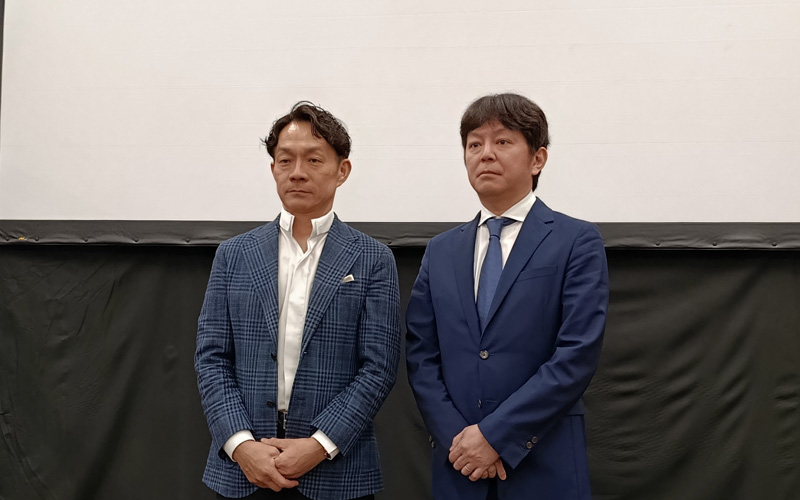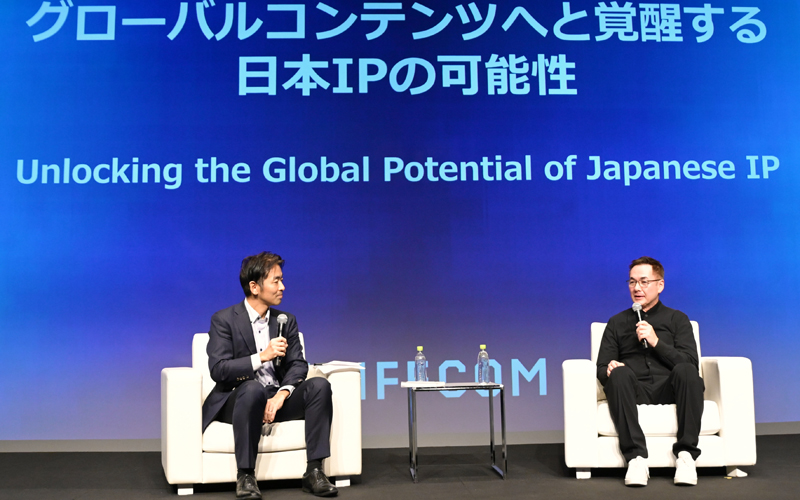
During a joint panel organized by the Motion Picture Association (MPA) and TIFFCOM in Tokyo, independent studio AGBO presented its operational roadmap for integrating artificial intelligence into high-end film, television, and gaming production. Partner Chris Brierton and Chief Scientific Officer Dominic Hughes addressed the industry’s ongoing anxieties regarding generative AI, framing the technology as a structural empowerment tool designed to alleviate rote tasks rather than a substitute for human intuition and performance.
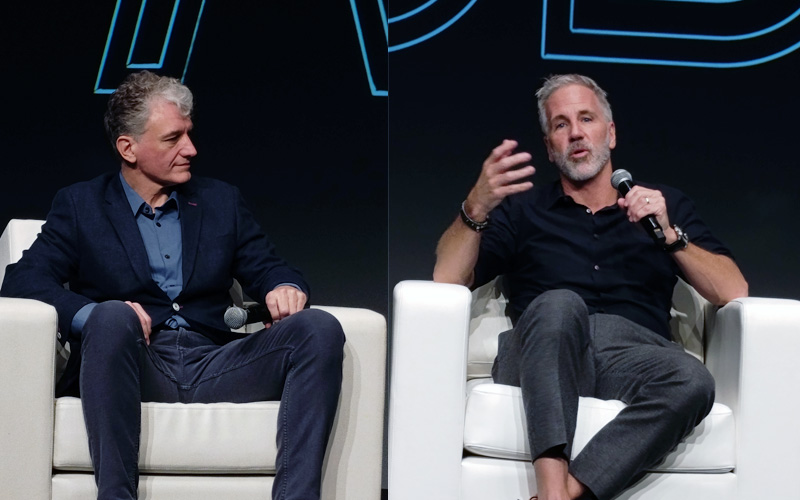
Unlike traditional entertainment conglomerates, the artist-led studio founded by Anthony and Joe Russo has embedded an innovation department directly within its core operations. This organizational design aims to bridge the gap between algorithmic engineering and creative execution. “Most film and television companies do not have a chief scientist. Most film and television companies do not have an innovation department that is part of the core studio”, Brierton explained. He noted that at their Los Angeles facility, they have “technologists and our creatives literally sitting side by side working together” to demystify the technology and allow artists to iterate faster.
The executives emphasized that AGBO’s current application of AI does not focus on rendering final pixels or generating automated scripts. Instead, the objective is to optimize pre-visualization, asset management, and internal workflows. Hughes detailed their integration approach: “We essentially say, what you really not enjoy doing? What do you not look forward to this week that you are procrastinating on…? Because that’s probably a very rote task that’s not really got anything to do with creativity.” By allowing algorithms to manage these administrative and logistical burdens, creators can maintain their narrative momentum without interruption.
Addressing the limitations of generative platforms, the panel clarified that while large language models (LLMs) can rapidly parse vast datasets, they lack the emotional capacity required for authentic storytelling. Hughes noted that AI serves as an exceptional analytical tool rather than a generator. “It’s not very good at creating, but it’s very good at critiquing,” Hughes stated, explaining that it helps creators identify structural weaknesses in their own work by referencing thousands of existing narratives. Brierton added, “It’s not going to, on its own, tell you that I really believe this because it’s going to draw this emotion out. It doesn’t think that way. It just is regurgitating a bounty of information.”
As production capacities theoretically increase with AI, the panelists warned against a market flooded with automated, low-tier content. “The uninspiring end point of that is that we all just get washed in AI slop and it’s just a sea of overwhelming mediocrity,” Hughes cautioned. He argued that since human consumption time remains finite, “the only solution to that is to raise the bar on quality to cut through that noise.” Brierton reinforced this, pointing out that human performance remains the irreplaceable premium asset. “The reason an actor like Robert Downey Jr. is who he is, is because the way he delivers the line, the way he moves, that performance is special and unique. And even if you had the ability to replicate his name and likeness and image, you can’t deliver that same performance,” he affirmed.
Looking at global content trends, the executives highlighted the shifting consumption habits of younger demographics, who routinely engage with linear video, interactive gaming, and short-form mobile content simultaneously. To address this, AGBO is developing interconnected intellectual properties across multiple platforms. Brierton also acknowledged the strategic importance of the Asian market, particularly Japan’s anime and manga sectors. He observed that global streaming platforms have normalized subtitled content, which “opens up more storytelling because it opens up more language capability.”
Moving forward, AGBO intends to leverage these optimized, AI-assisted workflows to develop original intellectual property that functions as a “virtual theme park.” Rather than algorithmic feeds that isolate users, the studio is designing digital environments that foster communal engagement and agency. “I do think that digital natives are going to want and expect a community-based digital experience where they’re not isolated, but they’re brought together by the digital experience,” Brierton concluded. The company will continue to expand its proprietary infrastructure to ensure copyright protection while pursuing partnerships with international creators to scale its multimedia universes.