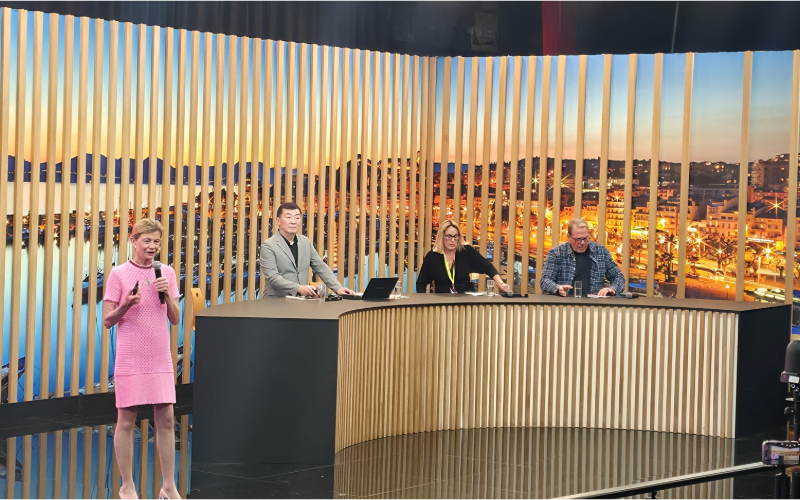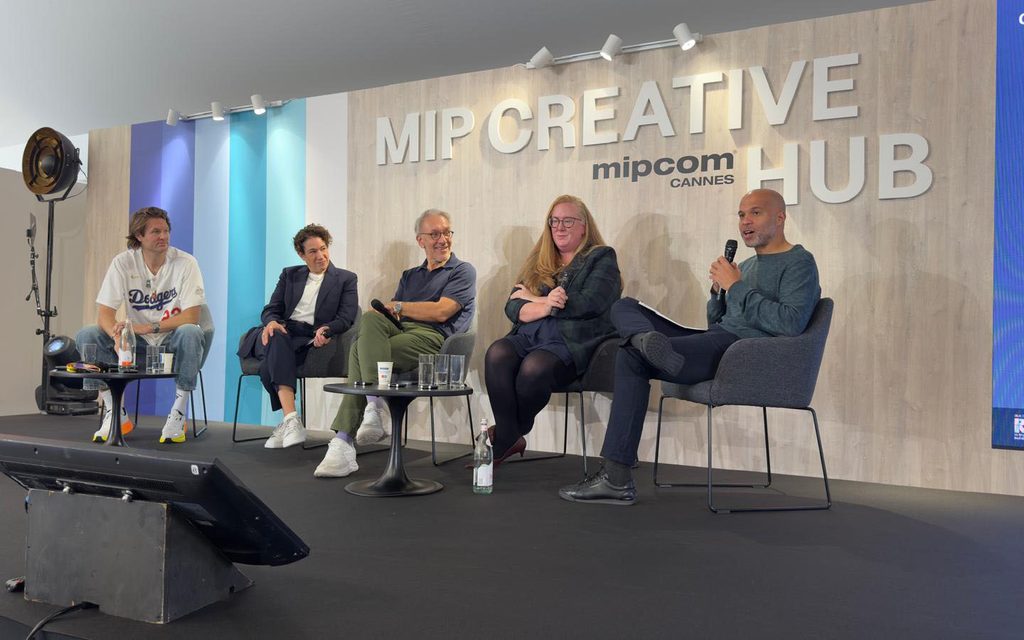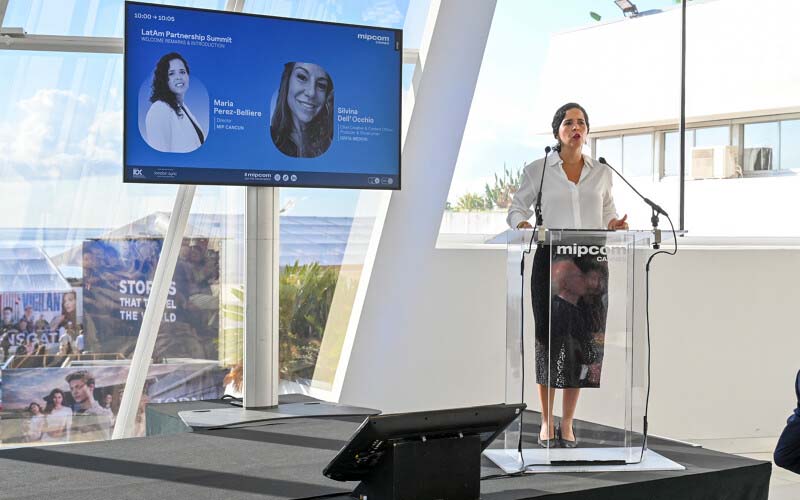
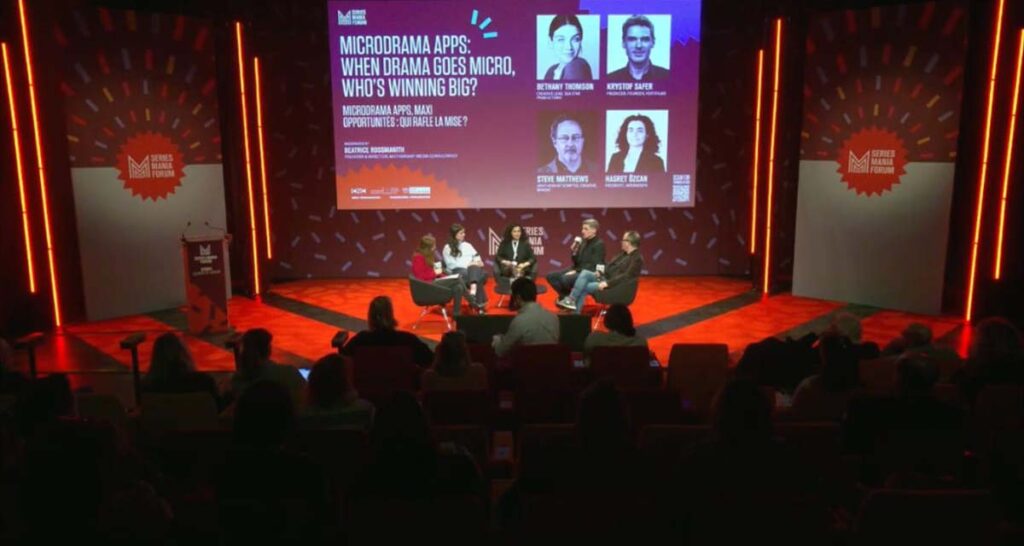
The vertical drama format is emerging as a distinct production and storytelling ecosystem as the global television industry adjusts to shifting consumption habits. This transition was the focus of the panel «Vertical Drama: What Are We Talking About? – Innovation & Digital-first Storytelling» at the Series Mania Forum. Presented by Beatrice Rossmanith, Founder and Director of Mothership Media Consultancy, the session gathered industry executives to analyze the microdrama phenomenon from both strategic and creative standpoints.
Rossmanith initiated the discussion with a data-driven overview, indicating that time spent on short drama apps has increased by over 300 percent since 2024. These mobile-first microdramas operate on a model of scale, speed, and iteration, utilizing low production costs and compressed timelines instead of traditional high-budget commissioning structures. The production process is increasingly supported by AI tools that analyze user behavior to optimize narrative hooks. This industrial logic is directly tied to the format’s monetization strategy, which places paywalls precisely at scripted cliffhangers. The resulting ecosystem is highly responsive, with a predominantly female audience actively shaping the content through continuous data feedback loops.
Transitioning to the creative implications of this model, panelists Bethany Thomson of Sea Star Productions, Krystof Safer of Vertifilms, Hasret Ozcan of Inter Medya, and Steve Matthews of Banijay Entertainment UK examined the tension between data-driven production and narrative development. The speakers agreed that vertical drama cannot be approached as a reduced version of traditional television. Adapting existing intellectual property by simply reformatting it for vertical screens has proven ineffective. Instead, the format requires writers to build stories from the ground up, prioritizing pacing and immediate emotional engagement. Thomson noted that producers can target audiences seeking brief escapism by drawing structural inspiration from adjacent digital ecosystems, such as BookTok and the romantic fantasy publishing sector.
The current market for microdramas heavily favors romance-driven narratives, which align with proven monetization models among female demographics. Ozcan indicated that women, particularly those over 25, represent the most consistent paying audience in this sector. While romance dominates, the panel suggested potential for expansion into genres like horror, sci-fi, and thrillers, though the financial models for these categories are still developing. Safer argued that microdrama represents a broader behavioral shift rather than a single genre, situating the format as a direct competitor to the attention economy of platforms like Instagram and TikTok rather than traditional linear or streaming television.
The session concluded by addressing the constraints and standardizations of the medium. The ecosystem currently relies on algorithmic production, frequently replicating successful narrative templates. While this repetition mirrors historical trends in soap operas and genre cinema, writing for microdrama demands immediate character establishment and rapid emotional delivery within extremely short runtimes. Matthews observed that this requires writers who view these limitations as a framework for experimentation. Ultimately, the panel indicated that vertical drama reflects lasting changes in audience behavior and content economics. While European producers may not match the volume output seen in Asian or US markets, the panelists suggested the region could establish a position by focusing on authored, culturally specific approaches to vertical storytelling.